
Introduction
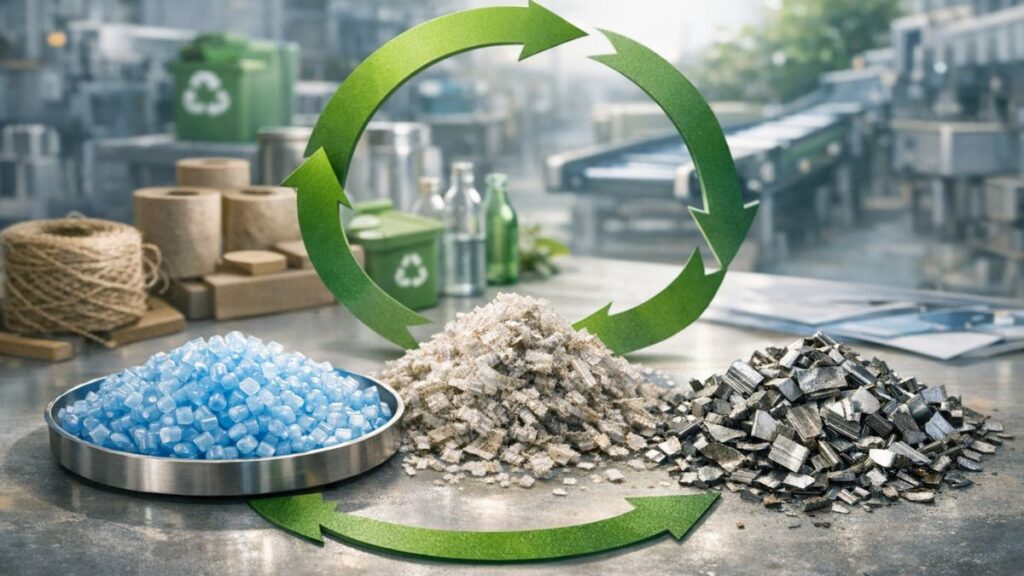
Sustainability has become one of the most important priorities for businesses, governments, and consumers worldwide. As industries shift toward environmentally responsible production, the concept of recyclatanteil is gaining increasing attention.
The term recyclatanteil refers to the percentage of recycled material used within a product or packaging. In simple terms, it measures how much of a product comes from previously recycled resources instead of newly extracted raw materials.
This concept plays a crucial role in the circular economy. By increasing the recyclatanteil, companies reduce waste, conserve natural resources, and lower environmental impact.
Today, manufacturers across industries—from packaging to automotive production—are adopting higher recycled content standards. At the same time, regulators and consumers are pushing for greater transparency regarding recycled material usage.
In this guide, we will explore what recyclatanteil means, why it matters, how it is calculated, and how businesses can improve their recycled material share.
What Is Recyclatanteil?
Recyclatanteil is a sustainability metric used to describe the proportion of recycled material within a product or packaging item.
It is typically expressed as a percentage.
For example:
-
A plastic bottle containing 30% recycled plastic has a recyclatanteil of 30%
-
A cardboard box made entirely from recycled paper has a recyclatanteil of 100%
The higher the recyclatanteil, the more sustainable the product is considered.
Simple Definition
Recyclatanteil is the percentage of recycled material used in the production of a product, packaging, or raw material.
It indicates how much of the material originates from recycled sources rather than new raw resources.
Crypto30x.com Explained: Features, Benefits, Risks, and How Crypto Traders Use It
Why Recyclatanteil Matters for Sustainability
Increasing the recyclatanteil offers significant environmental and economic benefits.
Environmental Benefits
Higher recycled content helps reduce environmental damage caused by resource extraction.
Key advantages include:
-
Reduced landfill waste
-
Lower carbon emissions
-
Less energy consumption in production
-
Conservation of natural resources
-
Support for circular economy systems
Economic Benefits
Businesses can also gain financial advantages.
These include:
-
Lower material costs in some industries
-
Compliance with environmental regulations
-
Improved brand reputation
-
Increased consumer trust
Consumers today prefer brands that demonstrate real sustainability commitments.
Industries Where Recyclatanteil Is Important
Recycled material content plays a major role across many industries.
Key Industries Using Recycled Materials
| Industry | Common Recycled Materials | Typical Recyclatanteil Range |
|---|---|---|
| Packaging | Recycled plastic, paper, cardboard | 30% – 100% |
| Automotive | Recycled metals, plastics | 20% – 50% |
| Construction | Recycled concrete, steel | 25% – 70% |
| Textiles | Recycled polyester, cotton | 10% – 60% |
| Electronics | Recycled metals and plastics | 10% – 40% |
Each industry uses different recycled materials depending on technical requirements and safety standards.
How Recyclatanteil Is Calculated
Understanding how recyclatanteil is calculated helps companies report sustainability metrics accurately.
The formula is relatively simple.
Recyclatanteil Calculation Formula
Recyclatanteil (%) =
(Recycled material used ÷ Total material used) × 100
Example Calculation
Suppose a company produces plastic packaging.
-
Total material used: 1000 kg
-
Recycled plastic used: 400 kg
Recyclatanteil =
400 ÷ 1000 × 100 = 40%
That means the product contains 40% recycled material.
Types of Recycled Materials Used
Not all recycled materials are the same. They generally fall into two categories.
Post-Consumer Recycled Material (PCR)
PCR materials come from products that have already been used and disposed of by consumers.
Examples include:
-
Used plastic bottles
-
Paper packaging
-
Aluminum cans
-
Glass containers
PCR materials are considered highly sustainable because they directly reduce landfill waste.
Post-Industrial Recycled Material (PIR)
PIR materials come from industrial production waste.
Examples include:
-
Manufacturing scrap
-
Production leftovers
-
Industrial plastic cut-offs
Although these materials never reached consumers, recycling them still reduces waste.
Comparison of Recycling Material Types
| Material Type | Source | Environmental Impact | Common Uses |
|---|---|---|---|
| Post-Consumer Recycled | Consumer waste | Very high impact | Packaging, textiles |
| Post-Industrial Recycled | Manufacturing waste | Moderate impact | Automotive parts |
| Reclaimed Materials | Construction or demolition | High impact | Building materials |
Using both PCR and PIR materials can significantly increase the recyclatanteil of products.
How Companies Increase Recyclatanteil
Many companies now aim to raise recycled content across their product lines.
Common Strategies
Businesses use several methods to increase recyclatanteil.
-
Improving recycling supply chains
-
Redesigning packaging for recyclability
-
Partnering with recycling facilities
-
Switching to recycled raw materials
-
Investing in advanced sorting technologies
These strategies support long-term sustainability goals.
Example of a Recycled Material Strategy
| Strategy | Description | Impact on Recyclatanteil |
|---|---|---|
| Packaging redesign | Use mono-material packaging | Easier recycling |
| Material substitution | Replace virgin plastic | Higher recycled share |
| Closed-loop recycling | Reuse production waste | Reduced resource use |
| Supplier partnerships | Source recycled inputs | Stable material supply |
Companies combining multiple strategies often achieve the highest recycled content levels.
Practical Examples of Recyclatanteil
Understanding real-world examples helps illustrate how recyclatanteil works.
Example 1: Beverage Bottles
Many beverage companies now use bottles containing 50% recycled plastic.
This reduces plastic waste and lowers energy consumption during manufacturing.
Example 2: Fashion Industry
Clothing brands increasingly produce garments made from recycled polyester derived from plastic bottles.
Some products contain 70% recycled fibers.
Example 3: Construction Materials
Modern building materials often include recycled concrete or steel, reducing the demand for new raw materials.
Pros and Cons of Increasing Recyclatanteil
While recycled materials offer many benefits, there are also challenges.
Advantages
-
Reduces environmental impact
-
Supports circular economy models
-
Enhances brand sustainability reputation
-
Conserves natural resources
-
Can reduce production costs
Disadvantages
-
Quality consistency can vary
-
Recycling infrastructure may be limited
-
Some recycled materials cost more
-
Technical limitations in certain industries
Despite these challenges, innovation is rapidly improving recycling technologies.
Common Mistakes When Managing Recycled Content
Organizations often make mistakes when trying to increase recycled material usage.
1. Ignoring Material Quality
Not all recycled materials meet required quality standards.
Testing is essential.
2. Lack of Supply Chain Planning
Recycled material availability can fluctuate.
Companies must secure stable suppliers.
3. Misleading Sustainability Claims
Greenwashing can damage brand credibility.
Transparency is critical when reporting recyclatanteil.
4. Poor Product Design
Products designed without recycling in mind reduce the ability to use recycled materials later.
Best Practices for Increasing Recyclatanteil
Companies that successfully increase recycled material usage typically follow several best practices.
Design for Recycling
Products should be designed with recycling in mind.
Simple materials and easy disassembly improve recyclability.
Invest in Recycling Technology
Advanced sorting and material processing technologies increase the quality of recycled materials.
Collaborate Across Supply Chains
Partnerships between manufacturers, recyclers, and material suppliers improve recycling efficiency.
Monitor Sustainability Metrics
Regularly tracking recyclatanteil helps organizations measure progress and meet environmental targets.
Future Trends in Recycled Material Usage
The importance of recycled materials is expected to grow significantly in the coming years.
Key trends include:
-
Government regulations mandating minimum recycled content
-
Corporate sustainability commitments
-
Advanced chemical recycling technologies
-
Increased consumer demand for eco-friendly products
-
Circular economy business models
As these trends continue, recyclatanteil will become an even more important sustainability metric.
Conclusion
Recyclatanteil has become a key indicator of sustainable production. By measuring the percentage of recycled material used in products, businesses can evaluate their environmental impact and improve resource efficiency.
Increasing recycled content benefits both the environment and the economy. It reduces waste, lowers carbon emissions, and supports the transition toward a circular economy.
While challenges remain, new recycling technologies and stronger sustainability policies are helping industries adopt higher recyclatanteil levels.
For businesses looking to build a more sustainable future, increasing recycled material usage is no longer optional—it is essential.
FAQs
What does recyclatanteil mean?
Recyclatanteil refers to the percentage of recycled material used within a product or packaging.
How is recyclatanteil calculated?
It is calculated by dividing recycled material by total material used and multiplying by 100.
Why is recyclatanteil important?
It reduces waste, conserves natural resources, and supports sustainable production systems.
What industries use recycled materials the most?
Packaging, construction, automotive, and textiles are among the industries with the highest recycled material usage.
Is higher recyclatanteil always better?
Generally yes, but quality standards and product performance must still be maintained.