Introduction
If you’ve ever come across the term pappedeckel, you might have wondered what it actually means and why it’s gaining attention. Simply put, pappedeckel refers to a type of thick cardboard or paperboard commonly used in packaging, crafts, and industrial applications. While it may sound like a niche material, it plays a surprisingly important role in everyday life—especially in a world shifting toward sustainability.
From protecting fragile items during shipping to serving as eco-friendly drink coasters, pappedeckel is versatile, affordable, and environmentally responsible. In this guide, we’ll explore what makes it so useful, how it compares to other materials, and how you can take advantage of it in practical ways.
What Is Pappedeckel?
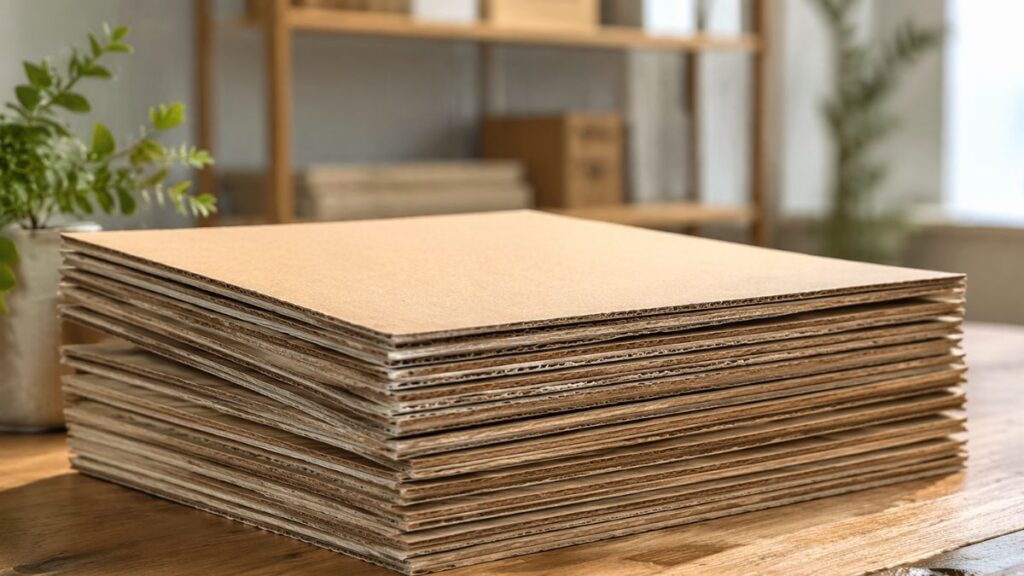
Pappedeckel is a durable, compressed cardboard material made from recycled paper fibers. It is thicker than regular paper but lighter than wood or plastic alternatives.
Key Characteristics
- Made from recycled or sustainably sourced fibers
- Lightweight yet sturdy
- Easy to cut, shape, and print on
- Biodegradable and recyclable
- Cost-effective for bulk use
Definition
Pappedeckel is a thick, durable cardboard material made from compressed paper fibers, commonly used for packaging, crafts, and eco-friendly applications.
Common Uses of Pappedeckel in Daily Life
Packaging Industry
One of the most common uses of pappedeckel is in packaging. It protects products while keeping costs low.
- Shipping boxes
- Protective inserts
- Product sleeves
- Retail packaging
Household and Personal Use
You might already be using it without realizing:
- Drink coasters
- DIY storage boxes
- Notebook covers
- Drawer organizers
Creative and Craft Projects
Because it’s easy to work with, it’s popular in creative spaces.
- School projects
- Model building
- Art displays
- Handmade gifts
Types of Pappedeckel and Their Applications
Different types of pappedeckel serve different purposes depending on thickness and finish.
| Type of Pappedeckel | Thickness Level | Best Use Cases | Key Advantage |
|---|---|---|---|
| Light cardboard | Thin | Crafts, covers | Flexible and easy to cut |
| Medium board | Moderate | Packaging | Balanced strength and weight |
| Heavy board | Thick | Industrial use | High durability |
| Coated board | Varies | Printing | Smooth surface for designs |
This breakdown helps you choose the right type for your specific needs.
Why Pappedeckel Is a Sustainable Choice
Sustainability is one of the biggest reasons for its growing popularity.
Environmental Benefits
- Made from recycled materials
- Reduces plastic usage
- Fully biodegradable
- Lower carbon footprint compared to plastic
Comparison with Other Materials
| Material | Eco-Friendly | Cost | Durability | Recyclability |
|---|---|---|---|---|
| Pappedeckel | High | Low | Medium | Excellent |
| Plastic | Low | Medium | High | Limited |
| Wood | Medium | High | High | Moderate |
| Metal | Low | High | Very High | High |
Clearly, pappedeckel strikes a strong balance between sustainability and practicality.
Advantages and Disadvantages of Pappedeckel
Pros
- Affordable and widely available
- Easy to customize and print
- Lightweight for shipping
- Environmentally friendly
- Versatile across industries
Cons
- Not waterproof unless treated
- Less durable than metal or plastic
- Can weaken under heavy moisture
- Limited load-bearing capacity
Best Practices for Using Pappedeckel
To get the most out of this material, follow these practical tips:
Storage Tips
- Keep it in a dry environment
- Avoid direct exposure to moisture
- Store flat to prevent bending
Usage Tips
- Use coatings if water resistance is needed
- Reinforce layers for heavier applications
- Choose thickness based on purpose
Design Tips
- Use clean cuts for professional results
- Apply eco-friendly inks for printing
- Combine with other materials for strength
Common Mistakes to Avoid
Even though pappedeckel is simple to use, mistakes can reduce its effectiveness.
Mistakes to Watch Out For
- Using thin board for heavy loads
- Ignoring moisture exposure
- Overloading without reinforcement
- Choosing the wrong type for the job
Avoiding these errors ensures better performance and longer lifespan.
Practical Examples of Pappedeckel in Action
Example 1: Small Business Packaging
A startup selling handmade candles uses pappedeckel boxes instead of plastic packaging. This reduces costs and improves brand image.
Example 2: Home Organization
A homeowner creates custom drawer dividers using medium-thickness board. It’s cheap, effective, and easy to replace.
Example 3: Event Planning
Event organizers use pappedeckel for signage, table numbers, and decorative elements—saving money while staying eco-conscious.
Pappedeckel vs Corrugated Cardboard
Many people confuse these two materials. Here’s a clear comparison:
| Feature | Pappedeckel | Corrugated Cardboard |
|---|---|---|
| Structure | Solid board | Fluted layers |
| Strength | Moderate | High |
| Flexibility | Low | Medium |
| Best Use | Crafts, covers | Shipping boxes |
| Surface Smoothness | Smooth | Slightly textured |
Understanding the difference helps you choose the right material for your needs.
Future Trends and Innovations
The future of pappedeckel looks promising, especially as sustainability becomes a priority.
Emerging Trends
- Water-resistant eco coatings
- Smart packaging integration
- Increased use in e-commerce
- Biodegradable laminates
Businesses are increasingly replacing plastic with advanced cardboard solutions, making pappedeckel more relevant than ever.
Conclusion
Pappedeckel may seem like a simple material, but its impact is far-reaching. From packaging and crafts to sustainability efforts, it offers a practical and eco-friendly solution for both individuals and businesses.
As more people move toward greener alternatives, materials like pappedeckel will continue to grow in importance. Whether you’re a business owner, a DIY enthusiast, or just someone looking to reduce waste, it’s a smart choice worth considering.
FAQs
1. What does pappedeckel mean?
It refers to a thick cardboard material made from compressed paper fibers, commonly used in packaging and crafts.
2. Is pappedeckel eco-friendly?
Yes, it is biodegradable, recyclable, and often made from recycled materials.
3. Can pappedeckel be waterproof?
Not naturally, but it can be treated with coatings to improve water resistance.
4. What is the difference between pappedeckel and cardboard?
Pappedeckel is a specific type of dense cardboard, usually smoother and more uniform.
5. Where can I use pappedeckel at home?
You can use it for storage boxes, crafts, organizers, and even DIY furniture projects.