
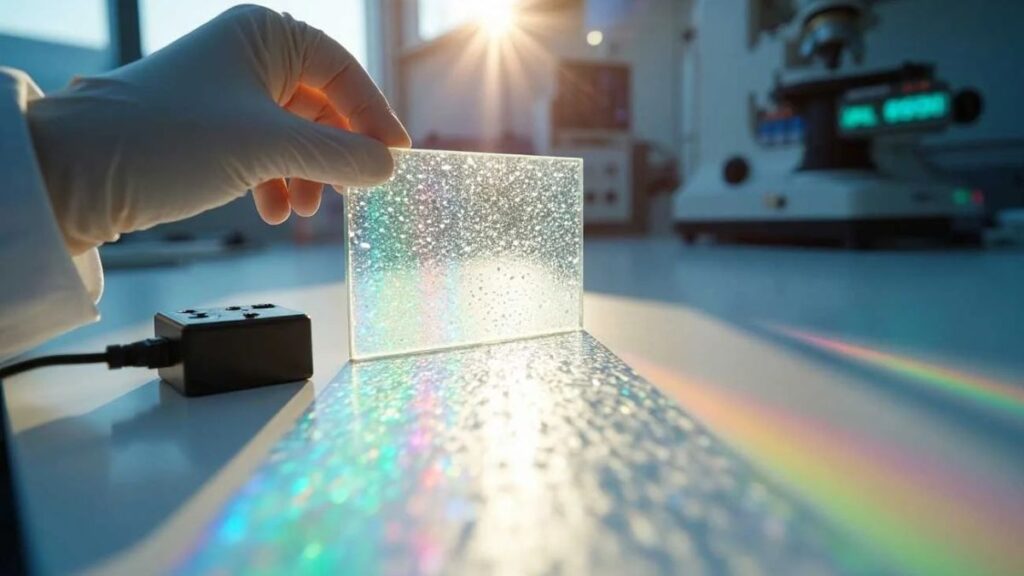
Introduction to Prizmatem
Imagine a world where technology and architecture seamlessly blend, creating spaces that are not only functional but also visually stunning. Enter Prizmatem—a revolutionary material that’s changing the game in both fields. With its unique structural and optical properties, Prizmatem is redefining how we think about intelligent building design and next-generation technological applications.
From smart surfaces to adaptive construction techniques, this versatile material offers endless possibilities for architects, engineers, and tech innovators alike. Whether you’re designing a modern office, developing cutting-edge consumer devices, or exploring sustainable urban infrastructure, understanding Prizmatem could give you a competitive edge. Let’s dive into what makes this remarkable substance so special and explore its innovative applications across industries.
Benefits of Using Prizmatem in Technology and Architecture
Prizmatem is revolutionizing technology and architecture with its advanced multifunctional properties. Its lightweight composition makes it an ideal choice for various applications, reducing structural load while maintaining strength and durability.
This material also boasts superior thermal insulation capabilities. Buildings utilizing Prizmatem can maintain temperature efficiency, resulting in lower energy bills and a significantly reduced carbon footprint.
Moreover, Prizmatem offers enhanced aesthetic flexibility. Architects appreciate its adaptability in form and finish, enabling bold, futuristic designs that were once difficult or costly to achieve.
The durability of Prizmatem ensures longevity in construction projects. It resists corrosion, environmental stress, and wear without compromising structural integrity.
Additionally, its compatibility with smart systems allows seamless integration with IoT devices, responsive lighting, and interactive building technologies—making it ideal for smart city initiatives.
Key Advantages of Prizmatem
| Feature | Technology Applications | Architectural Applications | Strategic Advantage |
|---|---|---|---|
| Lightweight Structure | Wearable tech, portable devices | Reduced structural load | Lower material and transport costs |
| Thermal Insulation | Heat-resistant electronics | Energy-efficient buildings | Sustainability & compliance |
| Optical Adaptability | Smart displays, AR interfaces | Dynamic facades | Enhanced visual engagement |
| Durability | Industrial hardware | Long-term infrastructure | Reduced maintenance expenses |
| Smart Integration | IoT-enabled devices | Intelligent building systems | Future-ready innovation |
Using Prizmatem not only elevates functionality but also enhances visual appeal across diverse architectural styles and digital platforms.
Case Studies: Real-World Applications of Prizmatem
One notable application of Prizmatem is in smart building design. Several modern commercial complexes have implemented Prizmatem-based dynamic facades that adjust based on sunlight exposure. This improves natural lighting efficiency while reducing HVAC loads.
Another exciting case study comes from the tech industry, where a startup integrated Prizmatem into wearable devices. The material enabled real-time data visualization directly on device surfaces, enhancing both usability and design aesthetics.
In urban planning, city engineers have incorporated Prizmatem into public installations such as walkways and interactive seating. These structures respond to weather conditions and pedestrian movement, creating adaptive environments.
Industry Implementation Breakdown
| Industry Sector | Application of Prizmatem | Measurable Outcome |
|---|---|---|
| Commercial Real Estate | Adaptive building facades | Up to 25% energy savings |
| Consumer Electronics | Smart wearable displays | Enhanced user interaction |
| Urban Infrastructure | Responsive public installations | Increased civic engagement |
| Industrial Design | Lightweight structural panels | Improved logistics efficiency |
These examples demonstrate how Prizmatem continues to expand across industries, proving its adaptability and performance in real-world scenarios.
Future Potential of Prizmatem in the Industry
The future of Prizmatem in technology and architecture is exceptionally promising. As research advances, new composite variations and manufacturing methods are expanding its capabilities.
In architecture, we may soon see fully responsive structures built primarily with Prizmatem—buildings that self-regulate temperature, lighting, and even acoustic performance.
The tech sector is equally poised for transformation. As smart devices evolve, Prizmatem could enhance flexible displays, augmented interfaces, and modular hardware systems.
Sustainability will play a major role. Prizmatem production methods are increasingly aligned with eco-friendly standards, making it a strong candidate for green construction certifications and circular design frameworks.
Emerging Opportunities for Prizmatem
| Future Trend | Role of Prizmatem | Impact |
|---|---|---|
| Smart Cities | Integrated sensor surfaces | Real-time environmental monitoring |
| Green Architecture | Energy-efficient building envelopes | Lower emissions |
| Wearable Technology | Flexible adaptive materials | Improved device ergonomics |
| Modular Construction | Prefabricated structural components | Faster project completion |
As innovation accelerates, Prizmatem is positioned to become a cornerstone material in next-generation development.
Challenges and Limitations of Using Prizmatem
While Prizmatem offers significant benefits, it also presents challenges that require consideration.
One major limitation is cost. High-quality Prizmatem materials can be expensive, limiting adoption among smaller firms or emerging markets.
Additionally, specialized expertise is required to maximize its performance. Architects and engineers must undergo training to properly implement Prizmatem within complex systems.
Environmental performance in extreme conditions also requires further testing. Long-term durability studies are ongoing to validate its resilience in harsh climates.
Limited awareness outside advanced design sectors further slows adoption. However, as more success stories emerge, broader industry acceptance is expected.
Understanding these challenges allows stakeholders to make informed decisions when integrating Prizmatem into strategic projects.
How to Incorporate Prizmatem in Your Own Projects
Incorporating Prizmatem into your projects requires a thoughtful and innovative approach.
Start by identifying design areas where lightweight strength, optical flexibility, or thermal efficiency can add measurable value.
Consider using Prizmatem for facade elements that respond to light conditions. This can reduce energy consumption while enhancing architectural identity.
For interiors, explore partitions, modular furniture, or interactive installations using Prizmatem to create immersive spaces.
Collaborate with material engineers and digital integration specialists to maximize compatibility with smart technologies.
Prioritize sustainability by selecting certified Prizmatem suppliers committed to environmentally responsible production.
Conclusion
Prizmatem stands out as a groundbreaking material with the potential to reshape both technology and architecture. Its combination of strength, adaptability, and smart integration capabilities positions it as a future-ready solution for sustainable innovation.
From intelligent buildings to next-generation devices, Prizmatem continues to expand its influence across industries.
Although challenges remain, ongoing research and increasing adoption suggest a strong upward trajectory.
The journey with Prizmatem is just beginning—and its role in redefining design and functionality may shape the built environment for decades to come.
Frequently Asked Questions (FAQs)
1. What is Prizmatem used for?
Prizmatem is used in smart architecture, wearable technology, adaptive facades, energy-efficient construction, and responsive public infrastructure.
2. Is Prizmatem sustainable?
Yes, Prizmatem supports sustainability through thermal efficiency, lightweight construction benefits, and compatibility with eco-conscious manufacturing processes.
3. How does Prizmatem improve energy efficiency?
Prizmatem enhances insulation and allows dynamic light control, reducing heating, cooling, and artificial lighting demands in buildings.
4. Can Prizmatem be integrated with smart technology?
Absolutely. Prizmatem supports IoT integration, sensor embedding, and interactive surface development for smart buildings and devices.
5. What industries benefit most from Prizmatem?
Architecture, consumer electronics, urban planning, industrial design, and smart city development benefit significantly from Prizmatem innovations.