
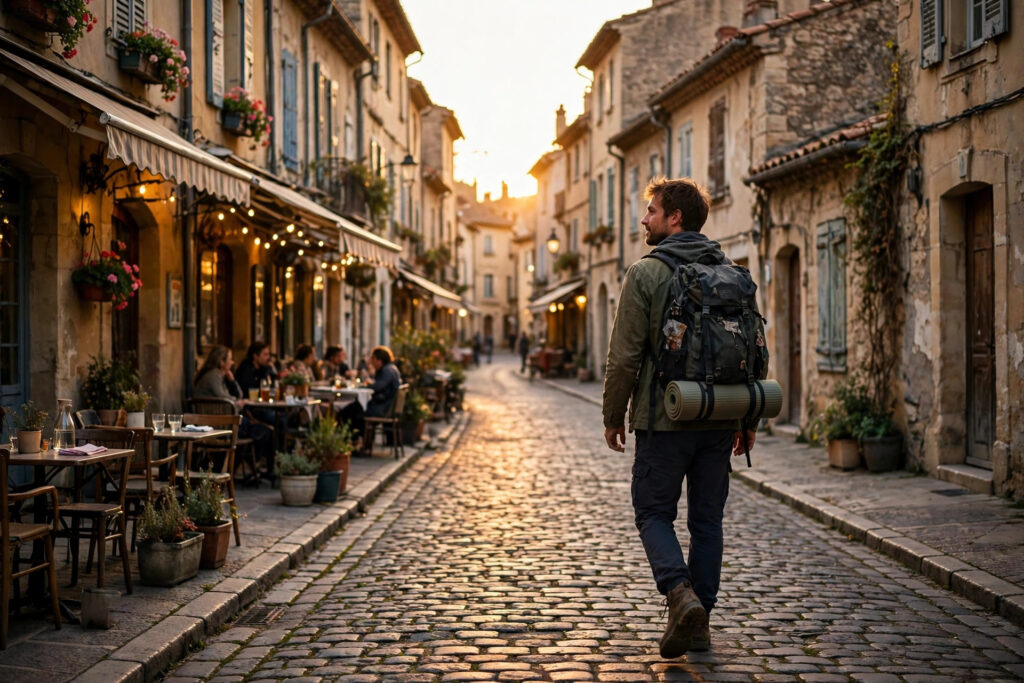
Yes, you can travel Europe on $50 a day in 2026 — but only in the right places. In cheaper countries such as Portugal, Poland, Hungary, Romania, Bulgaria and parts of Spain and Greece, $50 a day is a workable budget. In Paris, London or Zurich, it is not realistic: a bed alone would eat most of it. The trick is to choose a route where your money stretches further, and keep the three big costs — sleep, food and transport — under control.
Accommodation: Your Biggest Cost
Hostel dorm beds in cheaper European cities often cost roughly $15–$25 a night. A private room in a budget guesthouse can work out to around $25–$35 a night if you travel as a couple and split the cost. Staying slightly outside the old town, or in a smaller city a short train ride away, can cut the price noticeably. Work-exchange stays, house-sitting and staying with friends cost little or nothing, though they need planning ahead. Whatever you choose, book the first few nights before you arrive — last-minute bookings in peak season are where budgets usually break.
Food: Eat Well Without Restaurant Prices
Food is the easiest part of the budget to control. Supermarkets and local markets are your best friends: a picnic lunch of bread, cheese, fruit and something local often costs only a few dollars, and cooking one meal a day in a hostel kitchen can save $10 or more compared with eating out every time. That does not mean skipping restaurants. Look for the lunch menu of the day, which in many European cities is much cheaper than the evening menu for almost the same food. Eat where local people eat, away from the main tourist square, and the same meal often costs half as much. Carry a refillable water bottle — tap water is safe to drink in most of Europe.
Transport: Move Slowly and Cheaply
Travelling slowly is almost always cheaper: fewer long journeys, more time in each place, and more walking. Within a city, walk whenever you can — old towns are made for it — and buy a day pass for buses and trams only on days when you really need one. Between cities, compare your options before booking. Budget airlines can be cheap, but add the cost of getting to and from out-of-town airports first. Buses are often cheapest for shorter routes, and booking trains a few weeks ahead usually brings the price down a lot. Overnight buses and trains can also save you a night of accommodation.
Activities: The Best of Europe Is Often Free
You do not need expensive tours to enjoy Europe. Walking tours (many run on a tip basis), free museum days, public parks, viewpoints, beaches and old town streets cost little or nothing and are often the most memorable parts of a trip. Many cities offer free entry to state museums on the first Sunday of the month. When you do pay for something, pick one or two highlights per city rather than buying a ticket for everything. A single paid viewpoint or famous museum is worth more than five rushed attractions.
A Sample Daily Budget
Here is what a realistic $50 day might look like in a cheaper European city:
- Hostel dorm bed: $18–$25.
- Breakfast and picnic lunch: $6–$9.
- Cooked dinner or set lunch menu: $8–$12.
- Local transport: $0–$4.
- Activities and sights: $0–$5.
- Total: $32–$55.
Some days will come in under $50 and some slightly over, and that is fine — a budget works across a whole trip, not a single day. Prices vary by city and season, so treat these as realistic ranges, not guarantees.
Build up a small travel fund before you go: learning how to save money steadily before a trip gives you a cushion for delayed trains and places too good to leave after one night.
Frequently Asked Questions
Is $50 a day enough for Europe in 2026?
In cheaper countries and smaller cities, yes — with hostel stays, supermarket food and mostly free activities. In expensive cities such as Paris or London, you would need a bigger budget or a shorter stay.
Which European countries are cheapest for budget travellers?
Portugal, Poland, Hungary, Romania, Bulgaria, Greece and parts of Spain are generally among the cheapest. Prices vary by city and season, so check current costs for the places on your route.
How much should I budget for food per day?
Roughly $12–$20 a day is realistic if you mix supermarket meals and cooking with the occasional cheap restaurant lunch. Eating out for every meal can easily double that.
Is it better to travel fast or slow on a budget?
Slow is almost always cheaper. Staying longer in each place cuts transport costs and gives you time to enjoy free sights instead of paying for rushed tours.
Conclusion
Travelling Europe on $50 a day in 2026 is realistic, but only with honest planning. Pick cheaper countries and smaller cities, sleep in hostels, cook some of your own meals, move slowly, and enjoy the many free things Europe offers. Keep a small cushion for surprises, and let the cheaper days balance the dearer ones.