
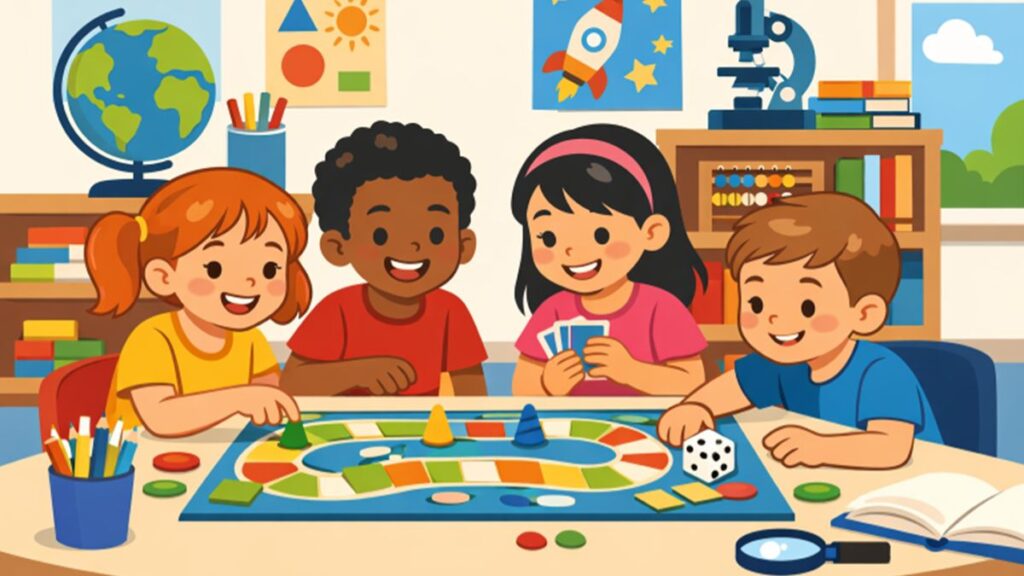
creativity and play, both educators and parents can turn traditional education into an adventure that sparks curiosity and joy. A variety of strategies can help transform lessons into experiences children look forward to each day, including using board games for kids that teach learning skills. These games provide engaging tools for reinforcing academic skills while fostering social interaction and critical thinking.
Research shows that when learning feels like play, children are more likely to participate with enthusiasm and retain the information they gain. Beyond playful techniques, leveraging technology, hands-on projects, and movement can all contribute to an exciting classroom or home learning environment. By meeting children where their interests lie, adults can nurture a true love of learning that will last a lifetime.
Another essential element is creating learning experiences that engage multiple senses, whether through music, tactile activities, or visually stimulating projects. Variety keeps engagement high and ensures all types of learners can connect with the material in their own unique ways.
Incorporating choice and exploration boosts children’s independence and motivation. Letting kids take the lead on projects or make small decisions about what and how they learn gives them ownership over their education and builds confidence.
Turn Learning into a Game
Games have the power to turn learning into a joyful activity. Age-appropriate board and card games can help children develop skills in basic counting and strategy, as well as language arts. Classic favorites like Scrabble Junior boost spelling, while math-themed games like Yahtzee provide practice in numbers, pattern recognition, and logical thinking. Game-based learning is supported by experts, who note that kids are more likely to absorb lessons when they come wrapped in fun challenges and competition. For more ideas about playful math activities, check out this resource from Scholastic.
Incorporate Creative Arts
Artistic activities provide children with meaningful opportunities to express their thoughts, emotions, and creativity while deepening their understanding of academic concepts. By transforming ideas into tangible experiences through drawing, painting, clay modeling, music, or dramatic storytelling, students engage multiple senses and learning styles. Creating dioramas for science projects or illustrating scenes from literature makes lessons more memorable and relatable. These creative experiences also strengthen fine motor coordination, boost confidence, encourage empathy, and develop emotional intelligence, enabling children to understand better both the subject matter and their own unique perspectives.
Utilize Technology
Modern technology provides endless opportunities to make learning interactive and visually exciting. Digital learning tools, apps, and educational games personalize lessons and can adapt to each child’s unique pace and interests. Augmented reality is an emerging trend that allows students to explore 3D objects and places right in their classrooms or homes. For instance, apps like Quiver turn ordinary coloring pages into animated, interactive adventures. According to Edutopia, incorporating technology thoughtfully can spark engagement and allow kids to experience subjects in unprecedented ways.
Implement Choice Boards
Choice boards give students the autonomy to pick how they want to demonstrate their understanding. This approach increases intrinsic motivation and allows for creativity within structure. Teachers or parents can design boards with activities ranging from writing a song about a science topic to constructing a model or making a video. By providing structured options, children feel empowered while still achieving a balance of skills and objectives. These tools are especially valuable during summer or after-school time, keeping learning alive without a rigid schedule.
Encourage Exploration and Discovery
Inquiry-based learning inspires kids to be curious and take on the role of scientist or detective. Open-ended projects, nature walks, and simple home experiments let children ask questions, test ideas, and find solutions on their own. This process taps into their natural curiosity and helps them develop problem-solving skills critical to lifelong success. Activities could include scavenger hunts, plant observation journals, or simple chemistry experiments, making learning relevant and memorable. For more on the benefits of discovery and hands-on experiences, visit PBS Parents.
Use Physical Activities
Regular movement plays an important role in supporting children’s cognitive development and classroom engagement. Physical activities stimulate blood flow to the brain, helping students improve concentration, memory retention, and information processing. Integrating short movement breaks, dancing, scavenger hunts, relay races, or educational games into lessons helps balance energy levels and makes learning more interactive and enjoyable. Active experiences also encourage teamwork and creativity. Even brief periods of physical activity can reduce restlessness, renew motivation, and prepare young learners to approach academic tasks with greater focus and enthusiasm.
Create a Welcoming Learning Environment
The environment where children learn plays a vital role in shaping their confidence, engagement, and attitude toward education. Welcoming spaces filled with vibrant visuals, adaptable seating arrangements, and hands-on learning opportunities can foster a sense of belonging and security. Features such as interactive displays, comfortable reading corners, and encouraging messages inspire exploration and creativity. Equally important is the support of adults who recognize effort, invite curiosity, and view mistakes as opportunities to grow. By nurturing a positive, growth-oriented atmosphere, children become more motivated, resilient, and eager to embrace new learning experiences.
Conclusion
Fostering a genuine love of learning begins with creating environments where children feel encouraged to explore, ask questions, and discover at their own pace. Incorporating creativity, hands-on activities, and physical movement into daily educational experiences helps maintain engagement and makes learning more enjoyable. Recognizing and embracing different learning styles allows each child to build confidence in their unique abilities. When parents and educators nurture curiosity through supportive, interactive approaches, they cultivate resilience, critical thinking, and a lasting enthusiasm for knowledge that extends well beyond the classroom.