
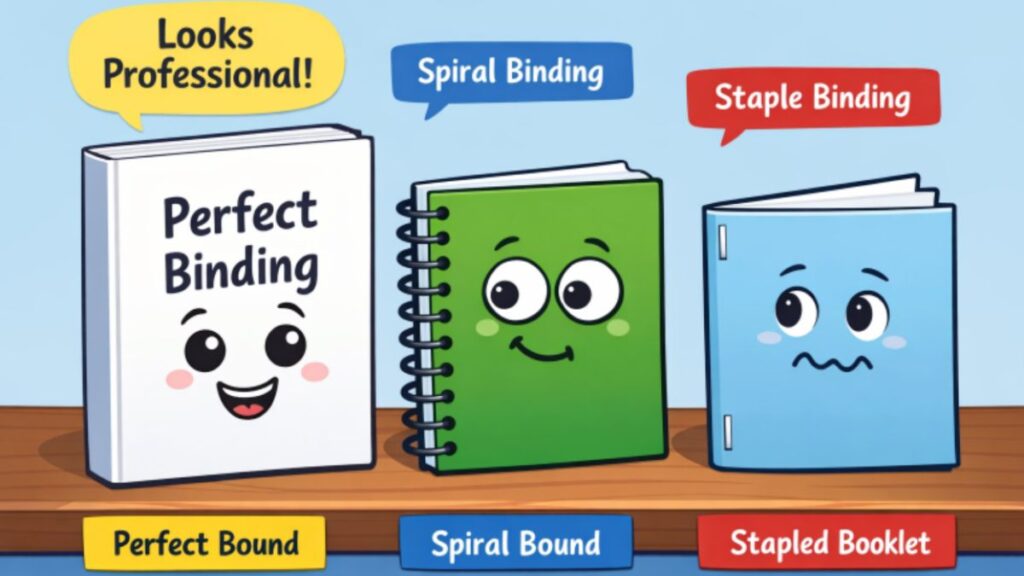
Perfect-bound books have become essential in modern publishing, merging enduring quality with affordability and clean design. Their distinctive flat, squared spine and professional finish make them a favorite choice for authors, publishers, and businesses alike. These books are not just a practical solution; they are a statement in today’s visual and competitive world, where every printed volume must stand out. Publishers seeking greater control over quality and appearance often turn to perfect bound printing with Printivity for reliable, high-quality results that complement their needs.
This article takes a closer look at how perfect binding has transformed book production, covering its benefits, various uses across different industries, and its role in the rise of self-publishing. Additionally, we will discuss how ongoing technological advancements and sustainability initiatives are shaping its evolution. Whether you are a self-publishing author or part of a corporate design team, understanding perfect binding helps you make smarter, more creative choices for your next project.
Understanding Perfect Binding
Perfect binding refers to the process in which the interior pages of a book are glued together at the spine using strong adhesive. A flexible cover, often made from heavier stock, is then wrapped around these glued pages and trimmed for clean edges. This method differs from saddle-stitching or wire binding, which are better suited to thinner booklets and do not provide a printable spine. The flat, padded spine of a perfect-bound book offers a finished, bookstore-quality look and provides space for branding, titles, and author names. Due to these characteristics, perfect binding is frequently used for novels, softcover textbooks, magazines, and high-end marketing materials.
Advantages of Perfect Binding
- Professional Appearance:With a squared-off spine, perfect-bound books look polished and can display information or branding, making them appealing for both retail and professional environments.
- Cost-Effectiveness:This binding method is typically less expensive than hardcover options, making it ideal for projects that need durability and style without a premium price tag.
- Durability:Strong adhesives have significantly improved over the years, resulting in books that resist wear and maintain integrity through repeated use.
- Versatility:Suitable for publications ranging from as few as 40 pages to several hundred, perfect binding works for fiction, non-fiction, business reports, and creative portfolios alike.
Applications in Modern Publishing
Modern publishers rely on perfect binding for a diverse range of projects that require a sophisticated finish. In the fashion industry, for example, perfect-bound lookbooks serve as high-impact marketing pieces that showcase collections in a format viewers associate with prestige and style. Art galleries and museums produce exhibition catalogs using perfect binding to create a collectible, gallery-quality feel. Corporate entities use this technique in annual reports and employee handbooks to project professionalism and a commitment to quality. These practical applications demonstrate not only the visual appeal but also the adaptability of perfect-bound books across various business sectors.
Impact on Self-Publishing
Self-publishing has flourished alongside the growth of perfect binding. Where independent authors were once constrained by costly production and limited distribution, perfect binding delivers an affordable path to publish market-ready books. Self-published works now rival traditionally published titles in terms of appearance and durability, fostering a sense of legitimacy for new writers. Furthermore, perfect binding offers creative flexibility, allowing independent authors to design their covers and select page finishes that precisely match their vision. The result is a diverse, competitive book market where creative voices can more easily find an audience, fueled by accessible, professional-quality manufacturing.
This accessibility has positively impacted countless creative professionals. Writers, illustrators, and subject-matter experts now have a viable path to self-expression and knowledge sharing without the daunting barriers that once hindered independent book production. The confidence inspired by perfect-bound books encourages experimentation with genres, formats, and visual styles. As more stories and ideas enter the market, driven by unique voices, readers benefit from a wider selection and a more dynamic literary ecosystem. The ongoing expansion of self-publishing continually enriches the publishing landscape with fresh perspectives and innovative titles.
Technological Advancements in Perfect Binding
Technological progress has streamlined perfect binding, improving efficiency and expanding its capabilities. Modern binding machines now feature computerized controls, precision temperature management for adhesives, and automated cover feeding, reducing errors and turnaround times. Digital workflows connect publishers directly with printers, simplifying processes from design to production. Companies are also leveraging platforms that automate quoting, scheduling, and status updates, making perfect-bound book production more transparent and less stressful, especially for those managing tight deadlines or large-scale projects.
Environmental Considerations
Environmental stewardship is becoming a priority in the publishing industry. Many printers now offer recycled paper and biodegradable adhesives for perfect-bound books. Additionally, advances in energy-efficient printing equipment help lower the carbon footprint for book production. Publishers conscious of their environmental impact can partner with providers that emphasize sustainably sourced materials and eco-friendly manufacturing processes.
Future Trends in Perfect Binding
On-demand and short-run book printing are on the rise, with perfect binding at the forefront of this shift. Digital printing and automation enable publishers to offer personalized editions and meet niche demand without maintaining large inventories. Future innovations are likely to include even stronger, more flexible adhesives for longer-lasting books, as well as greater integration with sustainable materials. As consumer expectations lean toward environmentally friendly, customizable products, perfect binding will continue to evolve to meet these challenges in modern publishing.
Conclusion
Perfect-bound books represent a successful intersection of aesthetics, practicality, and value. Their clean lines and adaptable format have shaped both the mainstream and independent sides of publishing. Advances in technology and a growing focus on sustainability will keep perfect binding central to book production for years to come, empowering a range of creators to produce high-quality work with confidence.