
Introduction
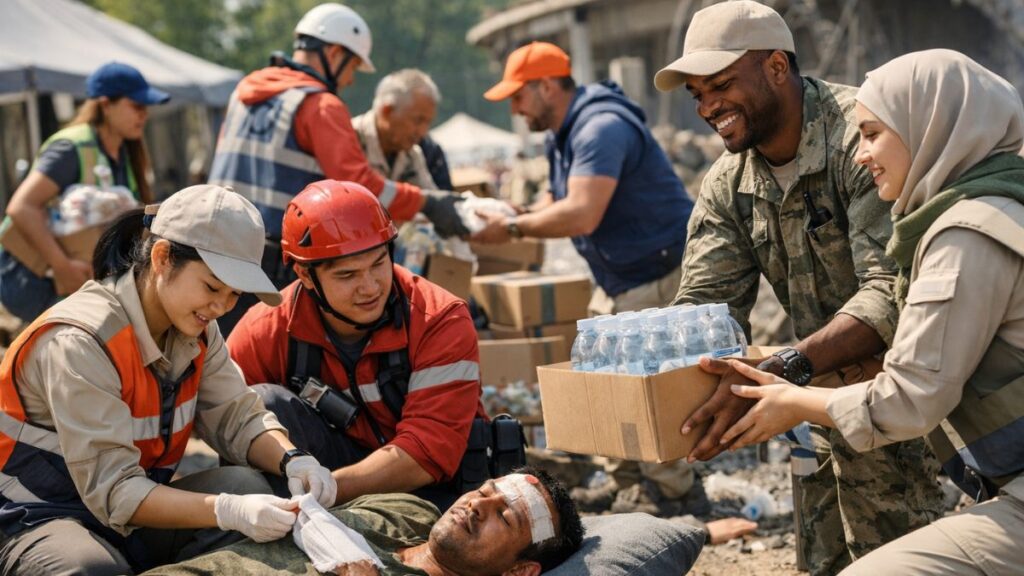
The term korps sukarela refers to a voluntary corps or organized group of individuals dedicated to helping others without expecting financial compensation. These groups often play a crucial role in humanitarian efforts, disaster response, community service, and public welfare initiatives.
In many regions, korps sukarela organizations act as the backbone of emergency response systems. They support government agencies, assist during crises, and contribute to long-term social development. Whether it’s responding to natural disasters or providing first aid training, their presence is invaluable.
In this guide, you’ll discover what korps sukarela is, how it works, its benefits, and how you can get involved.
What Is Korps Sukarela?
Korps sukarela translates to “volunteer corps.” It refers to an organized group of trained volunteers who provide services for social, humanitarian, or emergency purposes.
Key Characteristics
- Operates on a voluntary basis
- Focuses on community welfare
- Often trained in specific skills
- Works alongside official institutions
- Active during emergencies and routine programs
Common Roles of Korps Sukarela
- Disaster response and rescue
- First aid and medical assistance
- Community education programs
- Environmental protection activities
- Social welfare support
Eronme Explained: Meaning, Importance, and Practical Applications in Today’s World
Structure and Organization of Korps Sukarela
Korps sukarela groups are not random volunteers—they are structured organizations with clear roles and responsibilities.
Typical Organizational Structure
| Role | Responsibilities | Skills Required |
|---|---|---|
| Team Leader | Coordinates operations and decision-making | Leadership, communication |
| Medical Volunteer | Provides first aid and health support | Medical training |
| Logistics Officer | Manages supplies and equipment | Organization, planning |
| Field Volunteer | Executes tasks on-site | Physical fitness, teamwork |
| Trainer | Conducts workshops and training sessions | Teaching, expertise |
This structure ensures efficiency, especially during high-pressure situations like disasters.
Types of Korps Sukarela Activities
Korps sukarela groups participate in a wide range of activities. Their work goes far beyond emergency situations.
1. Emergency and Disaster Response
- Flood rescue operations
- Earthquake relief
- Fire emergency assistance
- Evacuation support
2. Health and Medical Services
- First aid services
- Blood donation drives
- Health awareness campaigns
3. Community Development
- Education programs
- Youth mentoring
- Clean-up campaigns
4. Environmental Protection
- Tree planting
- Waste management initiatives
- Climate awareness programs
Benefits of Joining a Korps Sukarela
Joining a korps sukarela offers both personal and societal benefits.
Personal Benefits
- Skill development (first aid, leadership)
- Improved confidence
- Networking opportunities
- Sense of purpose
Social Benefits
- Stronger communities
- Faster disaster response
- Increased public awareness
- Better resource distribution
Career Advantages
| Benefit | Explanation | Impact |
|---|---|---|
| Practical Experience | Real-world situations improve skills | High |
| Leadership Development | Managing teams and tasks | Medium |
| Resume Value | Shows initiative and commitment | High |
| Networking | Connects with professionals and organizations | Medium |
How to Join a Korps Sukarela
Getting involved is easier than many people think. However, preparation and commitment are essential.
Step-by-Step Process
- Research local volunteer organizations
- Register through official channels
- Attend orientation sessions
- Complete required training
- Participate in field activities
Requirements
- Minimum age (varies by organization)
- Physical and mental fitness
- Willingness to learn
- Commitment to service
Skills You Need to Succeed
While anyone can join, certain skills can make you more effective.
Essential Skills
- Communication
- Teamwork
- Problem-solving
- Adaptability
- Basic first aid knowledge
Advanced Skills (Optional)
- Emergency medical training
- Disaster management
- Leadership and coordination
- Technical rescue skills
Best Practices for Effective Volunteering
To make a real impact, volunteers should follow proven strategies.
Key Best Practices
- Always follow instructions from leaders
- Prioritize safety first
- Stay calm under pressure
- Maintain clear communication
- Keep learning and improving
Volunteer Effectiveness Framework
| Practice | Why It Matters | Result |
|---|---|---|
| Training Consistency | Ensures readiness | Faster response |
| Team Coordination | Reduces confusion | Efficient operations |
| Resource Management | Prevents shortages | Better outcomes |
| Community Engagement | Builds trust | Long-term impact |
Pros and Cons of Korps Sukarela
Pros
- Meaningful contribution to society
- Personal growth opportunities
- Strong community connections
- Skill development
Cons
- Time commitment required
- Physically demanding tasks
- Emotional stress during crises
- Limited financial rewards
Common Mistakes to Avoid
Even well-intentioned volunteers can make mistakes. Avoiding these ensures better outcomes.
Frequent Mistakes
- Ignoring training protocols
- Acting independently without coordination
- Overestimating personal abilities
- Poor communication
- Neglecting personal safety
Real-Life Example of Korps Sukarela Impact
During natural disasters, korps sukarela teams often arrive before official help. For instance, in flood-affected areas, volunteers:
- Rescue stranded individuals
- Distribute food and water
- Provide first aid
- Set up temporary shelters
Their quick response can save lives and reduce damage.
Why Korps Sukarela Matters Today
In today’s unpredictable world, the role of korps sukarela is more important than ever.
Key Reasons
- Increasing natural disasters
- Growing population needs
- Limited government resources
- Rising demand for community support
These volunteer groups bridge critical gaps and ensure communities remain resilient.
Conclusion
Korps sukarela represents the true spirit of humanity—people coming together to help others without expecting anything in return. Whether responding to emergencies or supporting community programs, these volunteers play a vital role in building safer and stronger societies.
If you’re looking for a way to make a difference, joining a korps sukarela could be one of the most rewarding decisions you ever make.
FAQs
1. What does korps sukarela mean?
Korps sukarela means a volunteer corps—an organized group providing unpaid services for community or humanitarian purposes.
2. Do I need experience to join?
No, most organizations provide training for new volunteers.
3. Is korps sukarela only for disaster response?
No, they also work in education, health, and environmental programs.
4. Are volunteers paid?
Generally, no. However, some organizations may provide allowances or support.
5. How much time do I need to commit?
It depends on the organization, but flexibility is often available.