Introduction
If you’ve ever come across the term siring, especially in agriculture or animal breeding, you might wonder what it really means and why it matters. In simple terms, siring refers to the act of a male animal fathering offspring. While the concept sounds straightforward, it plays a crucial role in genetics, breeding strategies, and long-term livestock improvement.
Whether you are a farmer, breeder, or simply curious about animal reproduction, understanding siring can help you make better decisions. It influences traits like health, productivity, and even profitability. Let’s break it down in a practical and easy-to-understand way.
What Does Siring Mean?
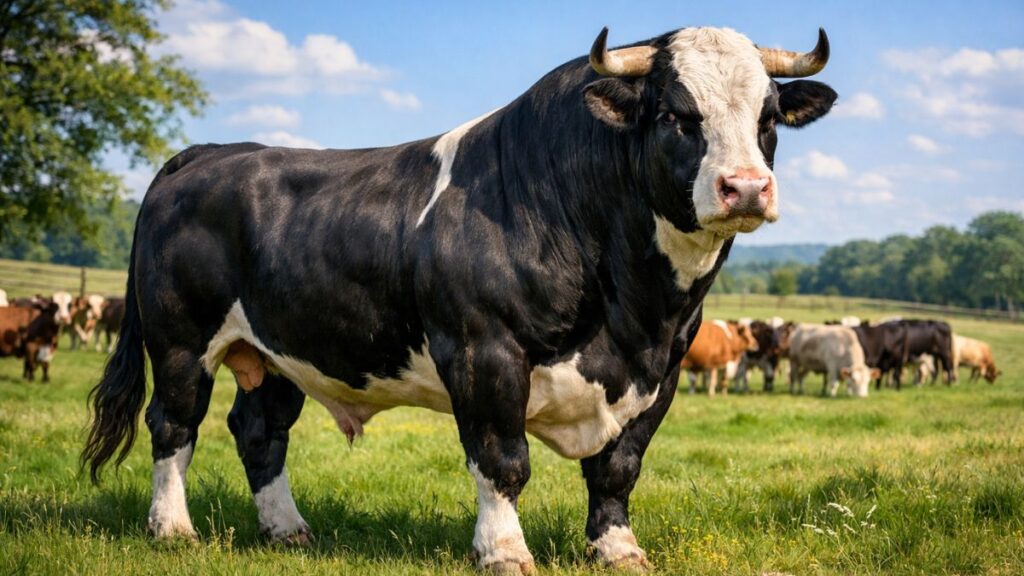
Siring is the biological process where a male animal contributes genetic material to produce offspring. The male, often called a sire, passes down traits such as:
- Growth rate
- Strength and stamina
- Disease resistance
- Physical characteristics
Quick Definition
Siring is the act of a male animal reproducing and passing genetic traits to its offspring.
This process is essential in controlled breeding programs where specific traits are desired.
Iganony: The Complete Guide to Anonymous Instagram Viewing and Privacy
Why Siring Matters in Animal Breeding
Siring is not just about reproduction—it’s about genetic improvement. A strong sire can significantly enhance the quality of future generations.
Key Benefits of Effective Siring
- Improves herd genetics
- Increases productivity (milk, meat, or performance)
- Enhances disease resistance
- Maintains breed standards
Genetic Impact Overview
| Factor | Role of Sire | Long-Term Impact |
|---|---|---|
| Genetics | Passes dominant traits | Stronger future generations |
| Productivity | Influences growth and yield | Higher farm profitability |
| Health | Contributes resistance traits | Reduced veterinary costs |
| Breed Quality | Maintains or improves standards | Better market value |
As you can see, the right sire can transform an entire breeding program.
How the Siring Process Works
Natural Siring
This is the traditional method where a male and female mate naturally.
Advantages:
- Simple and cost-effective
- Requires minimal equipment
Limitations:
- Less control over genetics
- Risk of injury or disease
Artificial Insemination (AI)
In modern farming, artificial insemination is widely used to control siring outcomes.
Advantages:
- Access to superior genetics worldwide
- Reduces disease transmission
- Better breeding planning
Limitations:
- Requires expertise
- Initial setup cost
Natural vs Artificial Siring Comparison
| Method | Control Over Genetics | Cost | Risk Level | Efficiency |
|---|---|---|---|---|
| Natural Siring | Low | Low | Moderate | Moderate |
| Artificial Insemination | High | Medium | Low | High |
This comparison helps breeders choose the right approach based on their goals.
Key Traits to Consider in a Sire
Choosing the right sire is one of the most critical decisions in breeding.
Important Selection Criteria
1. Genetic Strength
Look for proven lineage and performance records.
2. Physical Health
A healthy sire ensures better fertility and offspring quality.
3. Temperament
Calm and manageable animals are safer and easier to handle.
4. Fertility Rate
Higher fertility means more successful breeding outcomes.
Practical Example of Siring Success
Imagine a dairy farmer selecting a bull with high milk production genetics. Over a few generations:
- Milk yield increases
- Calves grow healthier
- Profit margins improve
This shows how strategic siring decisions create long-term benefits.
Best Practices for Effective Siring
Follow These Proven Strategies
- Keep detailed breeding records
- Use genetic testing when possible
- Rotate sires to avoid inbreeding
- Monitor offspring performance
- Maintain proper nutrition for breeding animals
Siring Strategy Framework
| Step | Action | Result |
|---|---|---|
| Selection | Choose genetically superior sire | Strong offspring traits |
| Monitoring | Track breeding outcomes | Data-driven decisions |
| Evaluation | Assess offspring performance | Continuous improvement |
| Optimization | Adjust breeding strategy | Higher efficiency |
Pros and Cons of Siring
Pros
- Improves genetic quality
- Boosts productivity
- Enhances herd consistency
- Supports long-term growth
Cons
- Poor selection can harm genetics
- Requires knowledge and planning
- High-quality sires can be expensive
Common Mistakes in Siring
Avoiding these mistakes can save time and money:
- Ignoring genetic history
- Overusing one sire (inbreeding risk)
- Choosing based only on appearance
- Lack of record-keeping
- Neglecting animal health
These errors can weaken future generations and reduce productivity.
Advanced Siring Techniques
Genetic Testing
Modern breeding uses DNA analysis to predict traits.
Selective Breeding Programs
Focus on improving specific characteristics over time.
Crossbreeding
Combining breeds to enhance hybrid vigor.
Best Practices for Long-Term Success
To get the most out of siring, consistency is key.
- Plan breeding seasons carefully
- Invest in quality sires
- Use technology for tracking
- Continuously evaluate results
Successful breeders treat siring as a strategic investment, not just a routine process.
Conclusion
Siring is far more than a biological process—it’s the foundation of successful animal breeding. By selecting the right sire, using proper methods, and following best practices, you can significantly improve the quality and productivity of your livestock.
Whether you’re managing a small farm or a large breeding operation, understanding siring gives you a powerful advantage. With the right approach, each generation becomes stronger, healthier, and more valuable.
FAQs
1. What is siring in simple terms?
Siring means a male animal fathering offspring and passing on genetic traits.
2. Why is siring important in farming?
It improves genetics, productivity, and overall herd quality.
3. What is the difference between sire and dam?
A sire is the male parent, while a dam is the female parent.
4. Can siring affect animal productivity?
Yes, the sire heavily influences traits like growth, milk yield, and health.
5. What is the best method for siring?
It depends on goals—natural siring is simple, while artificial insemination offers better control.