
Introduction
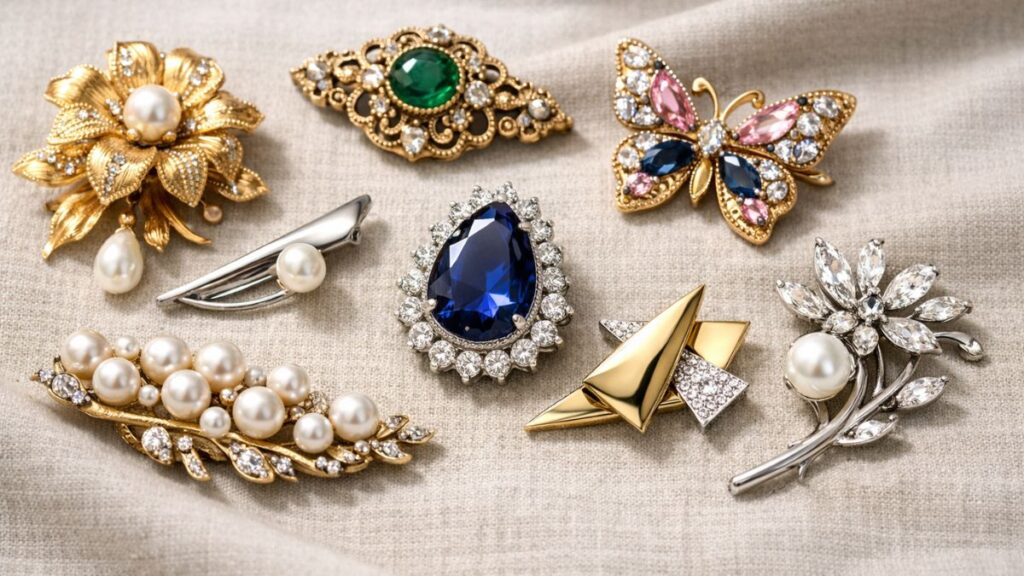
Sagės have been a timeless symbol of elegance in fashion and jewelry. Often referred to as brooches, these decorative accessories add personality, sophistication, and creativity to any outfit. From vintage heirloom pieces to modern minimalist designs, sagės continue to play an important role in contemporary fashion.
Originally used as practical fasteners for clothing, sagės gradually evolved into decorative jewelry pieces worn for style rather than function. Today, they are worn on jackets, dresses, scarves, hats, and even bags.
Whether you’re building a jewelry collection or simply exploring new ways to upgrade your wardrobe, understanding sagės can help you create unique and stylish outfits with minimal effort.
In this guide, you’ll learn everything about sagės — their history, types, styling tips, benefits, common mistakes, and best practices for choosing the perfect brooch.
What Are Sagės?
Sagės are decorative jewelry accessories commonly known as brooches. They are designed to attach to clothing using a pin mechanism on the back.
Unlike necklaces or rings, sagės are extremely versatile. They can be worn in different places on clothing and accessories, allowing for creative styling.
Key Characteristics of Sagės
-
Decorative jewelry piece
-
Usually attached with a pin or clasp
-
Made from metals, pearls, gemstones, or enamel
-
Used for fashion styling or symbolic meaning
Historically, sagės served both practical and decorative purposes. In ancient cultures, brooches were used to secure cloaks and garments. Over time, they became luxury jewelry items associated with status and fashion.
Today, sagės are popular across various fashion styles, from classic elegance to modern streetwear.
Simpciry Explained: The Rise of a Modern Digital Community Platform
Popular Types of Sagės
There are many types of sagės available, each offering a unique aesthetic and design purpose.
Vintage Sagės
Vintage brooches often feature intricate craftsmanship and historical design elements.
Common materials include:
-
Antique gold
-
Silver
-
Pearls
-
Cameos
-
Enamel
These pieces are popular among collectors and those who appreciate classic fashion.
Floral Sagės
Floral brooches mimic flowers and natural elements. They add softness and elegance to outfits.
Popular variations include:
-
Rose brooches
-
Leaf designs
-
Butterfly motifs
-
Botanical patterns
These sagės work beautifully with dresses, scarves, and formal outfits.
Gemstone Sagės
Gemstone brooches are luxurious statement pieces that feature sparkling stones.
Examples include:
-
Diamond brooches
-
Sapphire brooches
-
Emerald brooches
-
Crystal brooches
They are commonly worn for special events or formal occasions.
Minimalist Sagės
Modern fashion trends have introduced sleek and minimalist brooch designs.
Characteristics include:
-
Geometric shapes
-
Small metallic pins
-
Abstract patterns
-
Clean lines
These sagės work well with modern wardrobes and professional outfits.
Comparison of Popular Brooch Styles
| Brooch Style | Design Characteristics | Best For | Fashion Style |
|---|---|---|---|
| Vintage Sagės | Detailed craftsmanship, antique metals | Collectors, classic fashion | Elegant & traditional |
| Floral Sagės | Nature-inspired designs | Dresses and feminine outfits | Romantic style |
| Gemstone Sagės | Sparkling stones and luxury materials | Formal occasions | Luxury fashion |
| Minimalist Sagės | Clean shapes and simple designs | Modern outfits | Contemporary style |
How to Wear Sagės Stylishly
One of the reasons sagės remain popular is their incredible versatility. A single brooch can transform the look of an entire outfit.
Classic Lapel Placement
The most traditional way to wear sagės is on the lapel of a jacket or blazer.
This works well for:
-
Business outfits
-
Formal attire
-
Evening wear
On Dresses
Adding a brooch to a dress can instantly create a focal point.
Common placements include:
-
Shoulder area
-
Waistline
-
Neckline
On Scarves
Sagės can also function as decorative scarf fasteners.
Benefits include:
-
Keeps scarves in place
-
Adds elegance
-
Creates layered style
On Accessories
Modern styling uses sagės beyond clothing.
You can attach them to:
-
Handbags
-
Hats
-
Belts
-
Hair accessories
Styling Locations and Fashion Impact
| Placement Area | Visual Impact | Best Outfit Types |
|---|---|---|
| Jacket Lapel | Elegant and professional | Blazers, coats |
| Dress Shoulder | Decorative focal point | Evening dresses |
| Scarf Pin | Functional and stylish | Winter outfits |
| Handbags | Unique accessory accent | Casual fashion |
How to Choose the Right Sagės
Choosing the right brooch depends on several important factors.
Consider Your Outfit Style
Match your sagė with the overall tone of your outfit.
Examples:
-
Vintage sagės for classic outfits
-
Minimalist sagės for modern fashion
-
Gemstone sagės for formal wear
Choose the Right Size
Brooch size affects visual balance.
-
Small brooches work for subtle elegance
-
Large brooches create statement looks
Match Colors and Materials
Consider metal tones and color harmony.
Common combinations include:
-
Gold brooch + warm colored clothing
-
Silver brooch + cool toned outfits
-
Pearl brooch + neutral clothing
Quick Guide for Choosing Sagės
| Factor | What to Consider | Styling Result |
|---|---|---|
| Size | Small vs statement brooch | Subtle or bold look |
| Material | Gold, silver, pearls, gemstones | Elegant finish |
| Outfit Type | Casual, formal, vintage | Style harmony |
| Placement | Lapel, dress, scarf | Fashion creativity |
Pros and Cons of Wearing Sagės
Pros
-
Instantly upgrades outfits
-
Extremely versatile styling accessory
-
Available in many styles and materials
-
Works for both casual and formal fashion
-
Can hold sentimental or collectible value
Cons
-
Improper placement can damage fabric
-
Large brooches may feel heavy
-
Cheap pins can loosen over time
-
Not always suitable for delicate fabrics
Common Mistakes When Wearing Sagės
Even though sagės are simple accessories, certain mistakes can reduce their visual impact.
Wearing Too Many at Once
Layering multiple brooches can work, but too many can look cluttered.
Ignoring Outfit Balance
A large brooch on a delicate dress may overpower the outfit.
Poor Pin Placement
Incorrect placement can cause fabric stretching or damage.
Choosing Low Quality Clasps
Weak clasps may cause the brooch to fall off.
Best Practices for Styling Sagės
To make the most of your brooch collection, follow these styling guidelines.
Keep It Balanced
Let the brooch act as a focal point rather than overwhelming the outfit.
Use Brooches as Statement Pieces
A single elegant sagė often looks more sophisticated than multiple accessories.
Experiment with Placement
Try different styling options beyond the traditional lapel.
Mix Vintage and Modern Pieces
Combining classic brooches with modern fashion creates unique style combinations.
Conclusion
Sagės are one of the most versatile and timeless jewelry accessories in fashion. With their rich history and endless design variations, brooches continue to evolve while maintaining their classic elegance.
From vintage heirloom pieces to minimalist modern designs, sagės allow individuals to express personal style in subtle yet impactful ways.
Whether pinned to a blazer, dress, or scarf, a well-chosen brooch can instantly transform an outfit and add a touch of sophistication.
By understanding different brooch styles, placement techniques, and styling principles, you can confidently incorporate sagės into your wardrobe and elevate your everyday fashion.
FAQs
What does sagės mean?
Sagės is a term commonly used to describe decorative brooch jewelry that can be attached to clothing using a pin.
How are sagės different from regular brooches?
Sagės are essentially brooches, but the term is often used in certain languages and regions to refer to decorative clothing pins.
Where should you wear a brooch?
Common places include blazer lapels, dress shoulders, scarves, and accessories like handbags or hats.
Are sagės still fashionable?
Yes, brooches have made a strong comeback in modern fashion and are frequently seen in designer collections.
Can sagės damage clothing?
If attached incorrectly or used on delicate fabrics, they can cause small holes or stretching.