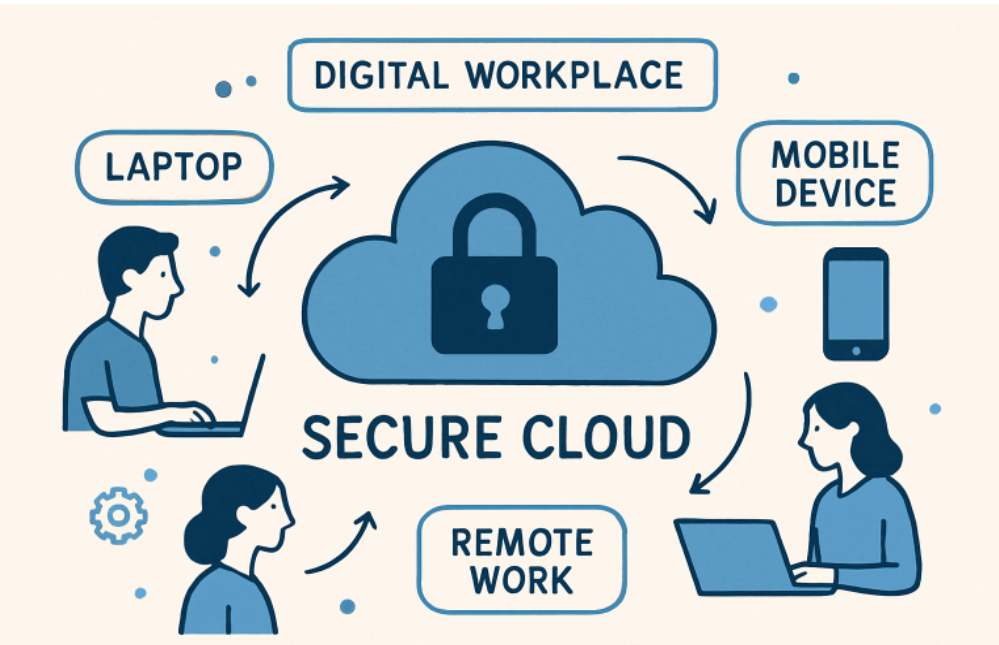
The digital workplace is experiencing a dramatic evolution as organizations turn to cloud technologies for enhanced flexibility and collaboration. This fundamental shift, driven by the pressures of a mobile workforce and the demands of business agility, offers a wide range of benefits. Still, it also introduces more complex security concerns. As enterprises move more of their operations online, the importance of solutions like enterprise web gateway security cannot be overstated. Forward-thinking companies are increasingly aware that protecting digital assets in the cloud environment is essential for both productivity and trust.
Alongside the technological opportunities that cloud migration brings, industry leaders also face a landscape of new threats. Remote work, third-party integrations, and the proliferation of applications all fuel a growing need for strategic safeguards. Addressing these emerging risks requires not only innovative technologies but also well-crafted governance and oversight. As a result, the adoption of cloud security is transforming the culture and capabilities of the digital workplace, enabling secure collaboration at scale.
The Rise of Cloud Adoption
The modern workplace’s shift to the cloud is accelerating rapidly. Companies choose cloud platforms to harness quicker deployment times, flexible working conditions, and seamless collaboration tools. Remote workforces now rely on virtual environments to connect and operate efficiently. Major advisory firms such as PwC observe that this consolidation of cloud infrastructure increases both efficiency and risk, underscoring the critical need for advanced security approaches and holistic strategies. In several sectors, cloud adoption is not just about digital transformation but about staying competitive and compliant in a rapidly changing market landscape. Organizations navigating their transformation encounter the challenge of aligning operational agility with data protection. Decisions about cloud migration must factor in technical requirements, threat landscapes, and the evolving nature of data privacy regulations. As more mission-critical applications move online, businesses that fail to implement comprehensive cloud security measures risk their digital assets and reputation.
Emerging Security Challenges
While the benefits of cloud adoption are numerous, so too are the vulnerabilities. Cybercriminals view cloud infrastructure as a target-rich environment, exploiting gaps in organizational defenses or misconfigured systems. Recent incident reports highlight an increase in sophisticated attacks, including ransomware, phishing, and large-scale Distributed Denial-of-Service (DDoS) attacks launched from compromised cloud workloads. For example, Cloudflare’s mitigation of a record-breaking 5.6Tbps attack illustrates both the severity of these risks and the value of scalable security solutions. Security challenges are not limited to external threats. The risks associated with insider activity, misconfigured access controls, and accidental data exposure can be just as damaging. To stay ahead, companies must continuously monitor their cloud environments and apply layered security models that adapt to emerging attack vectors. As Infosecurity Magazine points out, the evolving sophistication of attackers demands equally sophisticated defense mechanisms.
Zero Trust Architecture
In the face of mounting cloud threats, many organizations are moving toward Zero Trust Architecture (ZTA). The Zero Trust model rejects the notion that anything inside or outside the network perimeter is automatically trustworthy. Every access request, whether from a known user or an unfamiliar device, is verified each time it attempts to connect to resources. By authenticating and authorizing every interaction, Zero Trust minimizes attack surfaces and prevents lateral movement, which is how attackers often escalate privileges once inside a compromised system. Zero Trust also requires continuous validation of user behavior and context, using factors such as location, device health, and activity patterns before granting access. This approach results in higher security for cloud environments, improved compliance, and a better user experience through more seamless, intelligent access controls.
AI-Driven Threat Detection
The integration of Artificial Intelligence (AI) into cloud security tools has been a turning point for workplace protection. AI-based systems can analyze vast volumes of data to detect unusual behavior or potential threats. These platforms provide real-time threat intelligence, automate the response to identified risks, and reduce the human burden of data management. Recent research published on arXiv demonstrates that AI-driven capabilities improve detection efficacy while decreasing incident response time, helping organizations maintain a resilient cloud security posture. AI-Driven Security in Cloud Computing: AI-powered threat detection is essential for large organizations with complex digital infrastructure, as it enables rapid anomaly detection and mitigation—even as threat actors become more creative. Automation not only streamlines operations but also protects against the growing spectrum of cloud-based attacks.
Data Loss Prevention Strategies
One of the foundational priorities of cloud security is Data Loss Prevention (DLP). To protect sensitive business information, organizations implement DLP through encryption, identity and access management, and rigorous auditing. Multi-factor authentication (MFA) prevents unauthorized users from accessing vital resources, and regular audits ensure vulnerabilities are discovered and addressed promptly. According to the Ponemon Institute, companies that prioritize encryption saw 50 percent fewer data breaches than those that do not. Proactive DLP strategies extend beyond technology. Regular employee training, updated policies, and cross-departmental collaboration ensure that everyone in the company understands the vital role they play in preserving data security.
Compliance and Regulatory Considerations
Regulatory requirements have become stricter and more prevalent worldwide. Organizations handling sensitive or regulated data must demonstrate that their use of cloud environments meets legal and ethical standards, such as the General Data Protection Regulation (GDPR) or the Health Insurance Portability and Accountability Act (HIPAA). Adherence to these frameworks protects against legal liability and demonstrates a commitment to customer trust and integrity. Effective compliance requires ongoing monitoring, clear documentation practices, and seamless collaboration between IT departments, compliance officers, and legal teams.
Best Practices for Implementing Cloud Security
- Conduct Regular Security Assessments: Routine audits are necessary to identify gaps and adjust protocols based on current risks.
- Implement Strong Access Controls: Leveraging role-based access, MFA, and frequent reviews of permissions prevents data from falling into the wrong hands.
- Educate Employees: Training staff on social engineering and phishing, as well as company policies, dramatically reduces the risk of breaches resulting from human error.
- Stay Updated: Keeping security software current means that organizations benefit from the latest protections against new and emerging threats.
Conclusion
Cloud security solutions are now indispensable for the digital workplace. The success of organizations hinges on their ability to manage risk, ensure legal compliance, and empower secure collaboration at every level. By adopting a proactive stance, embracing innovations such as Zero Trust Architecture, deploying AI-driven threat detection, and implementing robust data loss prevention strategies, businesses protect both their assets and their reputations. Staying informed and agile is essential, as the cloud landscape and its risks continue to evolve alongside workplace demands.