
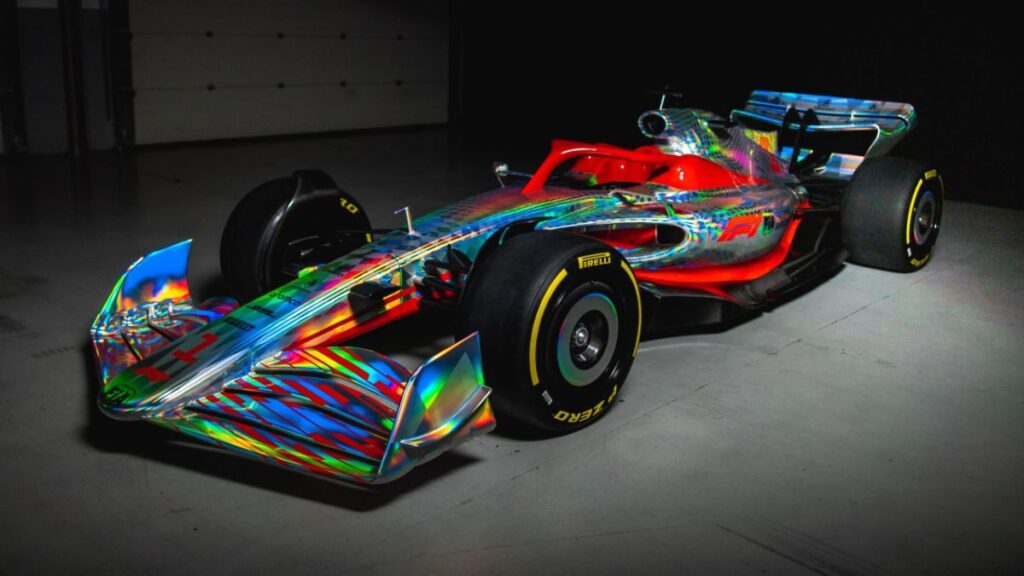
Introduction to Formula 43
The world of motorsports is no stranger to innovation, but few concepts have ignited excitement like Formula 43. This cutting-edge racing series has redefined speed, precision, and engineering excellence, captivating enthusiasts and professionals alike. Born from a vision to merge advanced technology with thrilling competition, Formula 43 represents the pinnacle of modern automotive development.
But what led to this remarkable evolution? The journey of Formula 43 has been anything but ordinary. From its inception fueled by passion and creativity to becoming a driving force in the industry, it’s a story worth telling. Let’s explore the inspiration, engineering brilliance, revolutionary technologies, and the lasting impact of Formula 43 on motorsports.
The Inspiration Behind the Concept
The inspiration behind Formula 43 emerged from a fusion of passion and necessity. As motorsport evolved, the demand for innovation grew louder. Engineers and racers sought a platform that could push performance boundaries while remaining accessible to emerging talent.
A pivotal moment occurred during a competitive racing season when traditional designs struggled with speed and agility. This sparked conversations about creating something revolutionary—blending performance with next-generation technology.
Visionaries began to dream of a racing ecosystem that catered to both amateur enthusiasts and seasoned professionals. They envisioned an inclusive environment where creativity thrived alongside competition, making Formula 43 more than just a series—it became a technological movement.
Nature also played its part. Designers studied aerodynamics inspired by bird flight and hydrodynamic efficiency from marine vehicles. The goal was clear: craft a machine capable of redefining what drivers believed possible on the track.
Design and Development Process
The design and development process of Formula 43 is where imagination meets precision engineering. Teams of engineers, aerodynamic specialists, and racing professionals collaborate to build vehicles that push performance limits.
Initial sketches lay the foundation. These concepts evolve through simulations, testing cycles, and engineering refinements to meet elite racing standards. Virtual modeling reduces development risk before physical prototypes are ever constructed.
Every component undergoes meticulous evaluation:
-
Lightweight composite materials improve speed and durability
-
Aerodynamic refinements enhance airflow efficiency
-
Structural reinforcements maximize driver safety
-
Digital telemetry systems support performance tracking
Core Development Phases of Formula 43
| Development Phase | Key Focus Area | Performance Impact |
|---|---|---|
| Concept Modeling | Aerodynamic structure & chassis layout | Improved airflow and reduced drag |
| Prototype Testing | Track simulations & stress analysis | Enhanced stability and reliability |
| Material Optimization | Carbon composites & lightweight alloys | Higher speed with structural strength |
| Performance Calibration | Engine tuning & telemetry integration | Data-driven race optimization |
This structured approach ensures Formula 43 vehicles are not only fast but technologically superior.
Revolutionary Technology in Formula 43
The heart of Formula 43 lies in its groundbreaking technology. It combines intelligent engineering with sustainable performance strategies to shape the future of racing.
Engineers incorporated:
-
Advanced carbon fiber composites
-
Hybrid powertrain systems
-
Real-time telemetry analytics
-
Precision aerodynamics tested in wind tunnels
Hybrid engines represent a defining innovation within Formula 43. By combining combustion systems with electric assistance, teams achieve both peak acceleration and improved energy efficiency.
Key Technological Innovations in Formula 43
| Technology | Function | Competitive Advantage |
|---|---|---|
| Hybrid Powertrain | Combines electric & fuel systems | Increased efficiency and acceleration |
| Real-Time Telemetry | Live race performance data | Faster strategic decisions |
| Active Aerodynamics | Adaptive airflow control | Reduced drag and improved cornering |
| Lightweight Carbon Chassis | Structural strength with reduced mass | Enhanced speed and safety |
These advancements not only define Formula 43 but influence broader automotive engineering trends.
Advancements and Improvements Over the Years
Since its launch, Formula 43 has continuously evolved. Each racing season introduces incremental improvements that refine performance, reliability, and sustainability.
Aerodynamics have significantly improved through advanced wind-tunnel simulations. Engineers now leverage AI-assisted modeling to predict airflow behavior with remarkable precision.
Engine systems have grown more efficient. Turbocharging enhancements and refined hybrid integrations allow Formula 43 vehicles to achieve greater horsepower while reducing emissions.
Tire innovations have also redefined race dynamics. Improved compounds enhance grip during extreme racing conditions, enabling tighter cornering and better traction control.
These progressive upgrades keep Formula 43 ahead in the competitive motorsports landscape.
Partnerships and Collaborations
Strategic partnerships have been instrumental in accelerating Formula 43’s development. Collaborations with automotive manufacturers, technology firms, and research institutions ensure constant innovation.
Tech partnerships strengthen data analytics systems and AI-driven race modeling. Academic institutions contribute research into advanced materials and structural resilience.
These collaborations create a dynamic innovation ecosystem where Formula 43 serves as both a racing series and a research platform.
Impact on the Motorsports Industry
Formula 43 has reshaped motorsports in multiple ways:
-
Elevated engineering benchmarks
-
Increased technological integration in racing
-
Expanded access for emerging drivers
-
Inspired sustainable performance initiatives
Its influence extends beyond the racetrack. Many technologies pioneered in Formula 43 now influence consumer automotive manufacturing, particularly in hybrid systems and safety engineering.
By setting new performance standards, Formula 43 has positioned itself as a catalyst for industry-wide transformation.
Future of Formula 43
The future of Formula 43 is defined by intelligent mobility and sustainability. Electric power integration is expected to expand, potentially leading to fully electrified race categories.
Artificial intelligence will play a growing role in race analytics and predictive strategy modeling. Smart materials may further reduce weight while increasing durability.
Sustainability initiatives are also central to future plans. Teams are exploring renewable fuel technologies and recyclable materials to reduce environmental impact without compromising performance.
Formula 43 is not merely adapting to the future—it is helping shape it.
Frequently Asked Questions (FAQ)
1. What is Formula 43 in motorsports?
Formula 43 is an advanced racing series focused on combining cutting-edge engineering, hybrid technology, and competitive performance innovation.
2. How is Formula 43 different from other racing series?
Formula 43 emphasizes hybrid systems, lightweight composite materials, and advanced telemetry integration, setting it apart in technological sophistication.
3. Does Formula 43 use hybrid technology?
Yes, Formula 43 integrates hybrid powertrains that combine combustion engines with electric systems for improved efficiency and acceleration.
4. What impact has Formula 43 had on automotive technology?
Technologies developed in Formula 43 have influenced consumer vehicle advancements, particularly in hybrid systems, aerodynamics, and safety engineering.
5. What is the future direction of Formula 43?
The future of Formula 43 includes greater electrification, AI-driven race strategies, and sustainable materials to advance environmentally conscious racing.