
Introduction
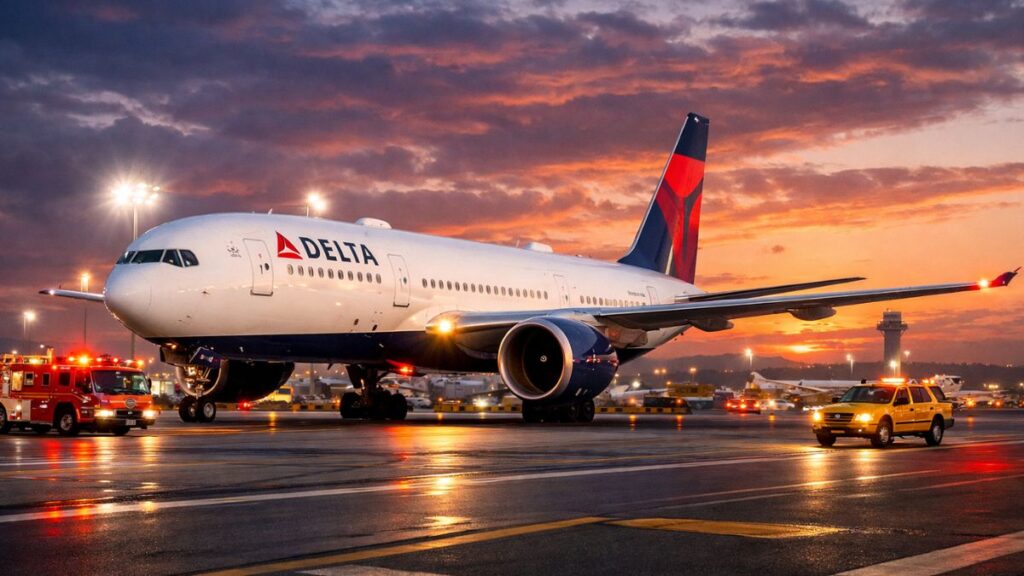
The delta flight dl275 japan diversion lax incident quickly became a trending aviation topic as travelers and aviation enthusiasts searched for details about the unexpected flight change. Delta Air Lines Flight DL275, a long-haul international route connecting Japan and the United States, was forced to divert to Los Angeles International Airport (LAX) instead of reaching its original destination.
Unexpected diversions like this can raise questions among passengers. Why did the aircraft change course? Was it a safety concern? And what happens to travelers when an international flight lands somewhere other than its planned destination?
This guide explains what happened, why diversions occur, and what passengers should know when situations like this arise.
What Happened With Delta Flight DL275 Japan Diversion LAX
The delta flight dl275 japan diversion lax situation involved a long-haul Delta Air Lines flight operating between Japan and the United States. Instead of completing its originally scheduled route, the aircraft diverted and landed at Los Angeles International Airport.
Flight diversions happen when the flight crew determines that landing at another airport is the safest or most practical decision.
Possible Reasons for the Diversion
While airlines typically release official statements later, the most common reasons include:
-
Mechanical inspections or precautionary technical issues
-
Medical emergencies involving passengers or crew
-
Severe weather conditions affecting destination airports
-
Air traffic congestion or operational disruptions
-
Fuel management or routing adjustments
Airlines prioritize safety above everything else. When a diversion happens, it usually means the pilots and airline operations team made a proactive safety decision.
Basic Facts About the Flight
| Flight Detail | Information |
|---|---|
| Airline | Delta Air Lines |
| Flight Number | DL275 |
| Route | Japan to United States |
| Diversion Airport | Los Angeles International Airport (LAX) |
| Aircraft Type | Long-haul widebody aircraft |
| Event Type | Mid-route diversion |
Even though diversions may cause delays, they are a routine part of aviation safety procedures.
Cesta Roman: Meaning, Cultural Roots, and Why the Term Still Matters Today
Why Flights Get Diverted During International Routes
International flights, especially long-haul routes across the Pacific Ocean, operate under strict safety and operational protocols. When something unexpected occurs, the aircraft may divert to the nearest suitable airport.
Most Common Diversion Triggers
| Diversion Cause | Explanation |
|---|---|
| Medical Emergency | Passenger or crew member requires immediate treatment |
| Mechanical Concern | Aircraft system requires inspection before continuing |
| Weather Disruption | Severe storms, turbulence, or runway visibility issues |
| Airport Operational Limits | Runway closures or congestion at the destination |
| Fuel or Routing Issues | Flight path adjustments due to conditions |
Airlines plan backup airports along every route before the aircraft even takes off.
For flights traveling between Asia and North America, common diversion airports include:
-
Los Angeles (LAX)
-
Seattle (SEA)
-
San Francisco (SFO)
-
Anchorage (ANC)
LAX is frequently used because it is one of the largest international aviation hubs in the world.
How Airlines Handle Flight Diversions
When a diversion occurs, airline operations teams immediately coordinate with airports, ground crews, and passengers.
Typical Diversion Process
-
Pilots notify air traffic control
-
Airline operations evaluate landing options
-
Aircraft lands at alternate airport
-
Maintenance or medical support is provided
-
Passengers receive rebooking assistance
Passengers are usually informed during the flight once the crew confirms the diversion plan.
Passenger Support After Landing
Airlines may provide:
-
Alternative flights to the original destination
-
Hotel accommodations (in some cases)
-
Meal vouchers or travel assistance
-
Immigration or customs guidance for international travelers
Airlines attempt to minimize disruption as much as possible.
Impact of the Delta Flight DL275 Diversion on Passengers
For travelers onboard the diverted flight, the experience can vary depending on the cause and the time needed to resolve the situation.
What Passengers Usually Experience
-
Temporary flight delay
-
Additional time spent on the ground
-
Possible aircraft change
-
Rebooking to connecting flights
Most long-haul diversion cases are resolved within a few hours, although delays can occasionally extend longer.
Passenger Experience Breakdown
| Situation | Typical Passenger Outcome |
|---|---|
| Short technical inspection | Flight continues after maintenance check |
| Medical emergency | Passenger transported to hospital |
| Crew duty limits reached | New crew assigned |
| Aircraft change required | Passengers moved to replacement plane |
Even though diversions are inconvenient, they are designed to keep everyone safe.
Aviation Safety and Diversion Protocols
Commercial aviation operates under extremely strict safety regulations. Pilots train regularly for diversion scenarios and emergency procedures.
Key Aviation Safety Measures
-
Continuous aircraft system monitoring
-
Real-time weather tracking
-
Pre-planned alternate airports
-
International aviation safety regulations
-
Maintenance inspections after unusual events
Long-haul aircraft also have advanced navigation systems that help crews quickly identify safe diversion locations.
Why Diversions Are Often Precautionary
In many cases, a diversion occurs even if the problem is minor. Airlines prefer to inspect potential issues immediately rather than risk continuing a long flight.
This proactive safety culture is one reason aviation remains one of the safest transportation methods in the world.
Pros and Cons of Flight Diversions
Pros
-
Prioritizes passenger safety
-
Allows immediate inspection of aircraft systems
-
Provides access to medical care if needed
-
Prevents larger operational issues later
Cons
-
Travel delays
-
Missed connections
-
Passenger inconvenience
-
Operational costs for airlines
Despite the inconvenience, diversions are a critical safety mechanism.
Common Passenger Mistakes During Flight Diversions
Travel disruptions can be stressful, and passengers sometimes make decisions that worsen the situation.
Mistakes to Avoid
-
Panicking without waiting for official updates
-
Ignoring airline notifications
-
Leaving the airport without checking rebooking options
-
Not contacting airline support desks
-
Missing announcements regarding replacement flights
Staying informed and following airline guidance usually results in the fastest resolution.
Best Practices for Travelers During Unexpected Diversions
Being prepared can make travel disruptions much easier to manage.
Smart Traveler Tips
-
Always keep travel documents accessible
-
Download airline apps for real-time updates
-
Save booking confirmations and flight numbers
-
Keep essentials in carry-on luggage
-
Remain patient with airline staff during disruptions
Travel insurance can also provide protection against extended delays or unexpected travel changes.
What This Means for the Aviation Industry
Incidents like the delta flight dl275 japan diversion lax situation highlight how airlines prioritize safety over schedules. Even when disruptions occur, aviation systems are designed to respond quickly and efficiently.
Modern aviation technology allows pilots and airline operations teams to make fast decisions that protect passengers and aircraft.
For travelers, the key takeaway is simple: diversions are rarely dangerous. Instead, they demonstrate the safety systems that keep global air travel reliable.
Conclusion
The delta flight dl275 japan diversion lax event illustrates how airlines handle unexpected situations during international flights. While diversions may disrupt schedules, they are an essential part of aviation safety protocols.
Whether caused by weather, technical inspections, or medical emergencies, flight diversions ensure that passengers reach their destinations safely.
For travelers, understanding why diversions happen can reduce stress and help manage unexpected changes during long-distance flights.
Air travel remains one of the safest transportation systems in the world, largely because airlines are willing to make cautious decisions when needed.
FAQs
Why was Delta Flight DL275 diverted to LAX?
Flight diversions typically occur due to safety concerns such as mechanical inspections, weather disruptions, or medical emergencies.
Where was Delta Flight DL275 originally headed?
The flight was operating on an international route between Japan and the United States before diverting to Los Angeles.
Are flight diversions common in aviation?
Yes. Diversions happen regularly in commercial aviation as a precautionary safety measure.
What happens to passengers after a flight diversion?
Passengers are usually rebooked, provided updates, and assisted by airline staff depending on the situation.
Is a diverted flight dangerous?
No. Diversions are usually precautionary and help ensure the safety of passengers and crew.