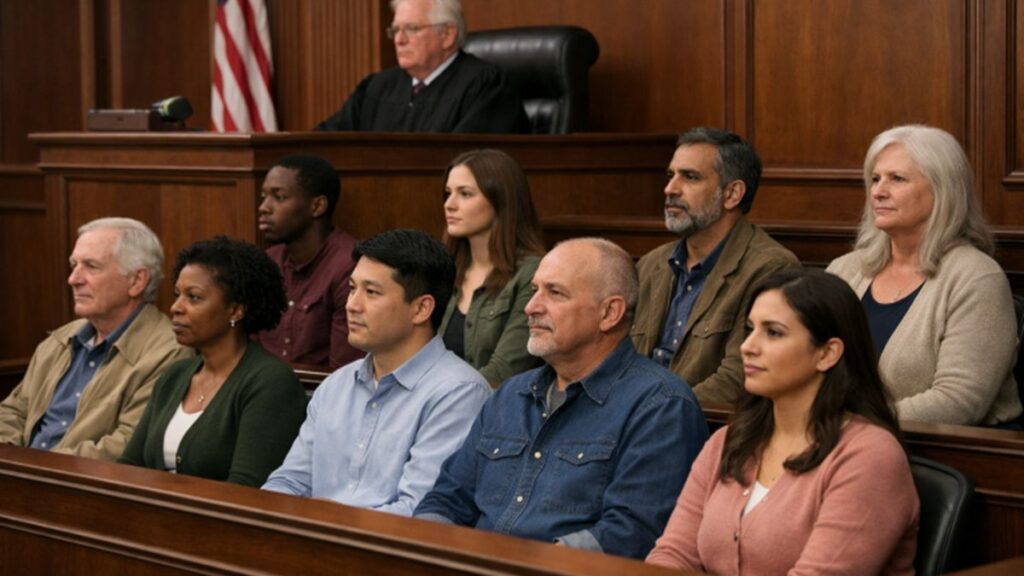
Jury selection serves as a foundational element of the American judicial system, safeguarding the essential right to a fair trial. At its core, the process is designed to assemble a group of citizens who can objectively weigh the facts and evidence, free from preconceived notions or biases. The constitutionality of jury selection is subject to ongoing scrutiny, with legal precedents such as Callais v. Louisiana demonstrating that evolving standards continue to shape how potential jurors are chosen.
The integrity of any trial relies heavily on the effectiveness and fairness of the jury selection process. Multiple safeguards exist to ensure that the group tasked with delivering a verdict is as impartial and representative as possible. From the initial formation of the jury pool to the detailed questioning process known as voir dire, courts and attorneys work diligently to filter out overt and subtle prejudices that could compromise a defendant’s right to justice.
Each step in the process is purposeful and precise. The judiciary not only adheres closely to established procedures but also continuously adapts to the social dynamics and legal challenges of the modern era. As complex and high-profile cases increasingly come under public scrutiny, ensuring transparency and fairness in jury selection has never been more important.
The interplay between community values and the need for an impartial jury makes this process a cornerstone of the adversarial system in the United States. Ensuring that every defendant faces a jury of their peers is both a constitutional mandate and an evolving, pragmatic challenge.
Creating the Jury Pool
The journey toward an unbiased trial begins with assembling a jury pool. Courts draw on public records, including lists of registered voters and licensed drivers, to capture a comprehensive cross-section of the community. Once this group is established, individuals are randomly selected to receive a summons for jury duty. The randomization process is vital. It offers an initial safeguard, helping prevent the exclusion of any particular race, income level, or social class, thereby advancing the goal of representing the community’s diversity.
The Voir Dire Process
After the pool has been summoned, the voir dire process commences. Voir dire, a term that means “to speak the truth” in Latin, consists of questioning prospective jurors to determine whether they can be impartial. Judges and attorneys ask pointed questions regarding personal backgrounds, relationships, beliefs, and experiences that could influence judgment. This thorough vetting is intended to uncover both explicit and implicit biases, such as preconceived opinions about the case subject matter, the parties involved, or broader societal issues.
Challenges for Cause and Peremptory Challenges
During voir dire, both prosecution and defense attorneys may seek to remove certain jurors using two types of challenges.
Challenges for Cause
Challenges for cause are used when a potential juror clearly cannot remain impartial. This could stem from a direct connection to one of the parties, a strong bias regarding the issue at hand, or other disqualifying reasons. There is no limit to these types of challenges, as the courts recognize that any juror discovered to be overtly biased should be removed to protect the fairness of the proceedings.
Peremptory Challenges
Attorneys also use peremptory challenges, which allow them to dismiss jurors without providing a specific reason. The use of peremptory challenges, however, is limited. Additionally, as established by key cases such as Batson v. Kentucky, these challenges cannot be used to systematically exclude potential jurors on the basis of race, ethnicity, or gender. This legal safeguard strives to reinforce the principle of equality in the courtroom.
Addressing Bias in Jury Selection
Even with protections in place, studies show that bias persists as a significant issue in jury selection. Research highlights how the composition of the jury can substantially affect trial outcomes, especially in cases where race or high-profile issues are central. For instance, Black defendants have historically faced higher rates of conviction when no Black jurors are involved in deliberations. The legal system continues to grapple with these disparities, adopting stricter enforcement and more thorough vetting to mitigate the risks of bias.
The Role of Jury Consultants
In particularly complex or widely publicized cases, attorneys sometimes engage jury consultants. These experts analyze public records, social media activity, and even behavioral cues to help legal teams identify any indicator of bias or potential sympathy toward one party. While not without controversy, proponents assert that jury consultants make the process more rigorous by offering an additional layer of scrutiny and insight into jury attitudes.
Recent High-Profile Cases and Jury Selection
The intricacies of jury selection were especially evident in notable recent trials. In the case involving the killing of Ahmaud Arbery, the pretrial process included heightened efforts to identify implicit bias, given the racial undertones of the case. Similarly, proceedings against former President Donald Trump required careful questioning of prospective jurors to ensure that their views had not been unduly influenced by constant media attention. These examples underscore the importance of tailored approaches when selecting impartial juries in high-stakes cases.
Conclusion
Jury selection is a critical safeguard in the U.S. criminal justice system. By emphasizing randomization, detailed examination of biases, and rigorous legal checks, the courts consistently seek fairness and impartiality in every trial. Given the ever-changing nature of societal values and the rise of high-profile cases, ongoing vigilance and adaptation are needed to ensure confidence in this vital legal process. It is only through these continued efforts that the promise of a fair trial for every defendant can be genuinely fulfilled.