
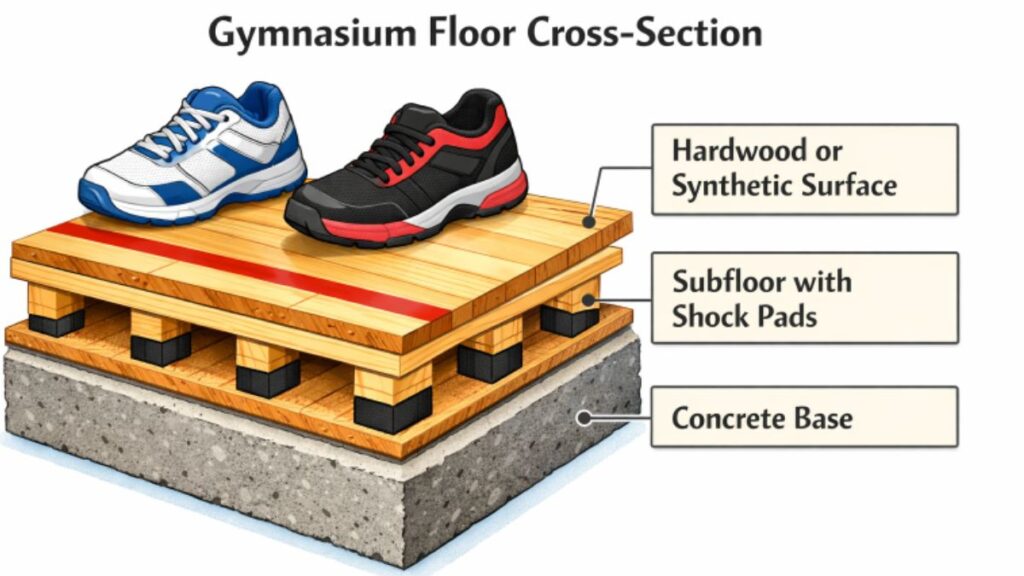
Choosing the right surface for indoor sports spaces goes far beyond simple aesthetic decisions. The surface underfoot can dramatically influence athletic performance, minimize injury risk, and impact the overall longevity and operational cost of the facility. That is why the design and construction of gymnasium floors are highly specialized compared to conventional flooring. Whether you are managing a school athletic facility or looking into gym flooring for a professional sports complex, understanding the unique features of these surfaces is essential.
The demands placed on an indoor sports floor differ from those on standard residential or commercial floors. These surfaces must absorb shock, maintain optimal traction, and endure intense physical activity. At the same time, they have to accommodate a variety of events, from high-intensity basketball games to school assemblies. Only expertly engineered gymnasium flooring can provide this high level of multipurpose performance and safety.
Material Selection
The selection of materials is one of the most fundamental decisions in gymnasium floor construction. Maple hardwood is prized due to its remarkable combination of strength, rigidity, and natural shock resistance, making it the traditional choice for basketball and volleyball courts. Maple’s uniform texture not only withstands impact but also provides a consistent surface for athletes to perform on. Increasingly, facilities are also considering synthetic options such as vinyl or polyurethane. These synthetics offer added benefits for multi-use environments with superior resiliency and ease of maintenance. Thanks to advanced manufacturing, synthetic gym floors can replicate the shock absorption, traction, and durability once unique to hardwood.
Material choice goes beyond the top layer. Each selection impacts the ultimate feel and functionality of the playing surface. Facilities that need heavy-duty performance and the ability to host non-sporting events sometimes opt for modular flooring systems. These modular tiles can be swapped or repaired individually, maximizing flexibility and lifecycle value.
Subflooring Systems
Beneath the playing surface lies a complex system that is just as important as the top finish. The subflooring of gymnasiums frequently incorporates engineered layers designed to optimize both energy return and shock dissipation. Modern subfloors might include shock-absorbing rubber pads, foam cushioning, or even air-cell structures placed beneath a grid of plywood or engineered panels. This construction allows the surface to flex on impact, distributing force more evenly and reducing stress on the athlete’s joints and connective tissues. The sophisticated design of subflooring systems is what sets sports floors apart from conventional alternatives, ensuring athletes benefit from both support and resilience.
Shock Absorption and Safety
Injury prevention is a primary goal of any athletic floor. Gymnasium floors are specifically engineered to absorb and disperse kinetic energy from jumps, runs, and falls. Hardwood and synthetic materials each offer unique shock-absorption profiles, but combining the top layer with a tailored subfloor system delivers optimal safety for every sport. For example, polyurethane floors are often preferred for environments where activities like aerobics and gymnastics are prominent, as their extra cushion helps further reduce overuse injuries and acute trauma. Professional associations such as the National Athletic Trainers’ Association recommend properly engineered sports flooring as a critical factor in reducing lower extremity injuries.
Surface Finishing and Maintenance
To keep gymnasium floors both visually impressive and functional, special finishing processes are applied. Typically, floors receive multiple coats of polyurethane or similar sealant that not only protects against scuffing and scratching but also establishes a consistent finish for optimum traction. After the surface is sealed, game lines and logos are painted, then covered with additional sealant layers for durability and preservation. Routine cleaning and refinishing are necessary to stop the buildup of dust and perspiration, which can degrade grip and increase slip risks over time. Periodic refinishing also rejuvenates the top coat, maintaining both aesthetics and safe play conditions. These practices are key to preventing moisture damage and extending the life of the flooring.
Multi-Purpose Use and Durability
Most gymnasiums serve multiple purposes, hosting practices and games, community events, assemblies, and even trade shows. This versatility means the flooring must be resilient under a variety of stresses. Modular sports flooring systems have found favor among facilities that need high adaptability, as they can be replaced or customized for unique activities. For facilities expecting heavy traffic, reinforced finishes and substrate systems enhance protective qualities against repeated equipment set-up and tear-down, whether wood or synthetic. Today’s gym flooring is designed to meet evolving demands without sacrificing safety or quality for any sport or event.
Compliance with Standards
Adhering to rigorous industry standards is a fundamental requirement for indoor sports flooring. Standards like ASTM F2772 specify essential criteria, including shock absorption, ball bounce, and surface friction. Meeting these requirements ensures that floors perform properly and reduce injury risk across a range of sports. For more information on these standards, organizations like ASTM International and the Maple Flooring Manufacturers Association (MFMA) provide detailed resources on what constitutes a safe and compliant sports floor.
Emerging Trends in Sports Flooring
The sports flooring landscape is rapidly evolving as new technologies and sustainability imperatives shape manufacturing. Greater demand for environmentally friendly materials has prompted manufacturers to develop floors that incorporate recycled content, improve recyclability, or reduce chemical emissions. Another trend is the growing integration of performance analytics, with sensor-enabled flooring capable of tracking player movement and load distribution, which offers valuable feedback for athlete development and facility maintenance. Gymnasium floors offer a combination of specialized support, optimized shock absorption, and compliance with strict safety and performance standards. By understanding the distinct factors that influence their construction and maintenance, facility managers and designers can select the flooring system best suited to the diverse demands of modern indoor sports environments.